
Subtotal $0.00


70
Goretzka comments on Trump impact
Context and significance
Goretzka ahead of World Cup comments have become a focal point as European football confronts the growing nexus of sport and politics. The German midfielder Leon Goretzka positioned his remarks in a wider debate about how global leaders and public figures shape the atmosphere around the game. In statements reported by Al Jazeera English, he argued that United States President Donald Trump’s public persona and policy stance influence how Germans and, more broadly, Europeans view themselves in this shifting geopolitical climate. The point is not simply about one man, but about how leadership narratives travel through the sport and land on the pitch as teams prepare for a World Cup staged in the United States. These comments sit at a moment when fans expect athletes to speak out, while clubs and federations caution about the consequences of political symbolism in a global tournament. Al Jazeera English coverage frames the discussion as part of a wider trend in which footballers become voices beyond the dressing room.
Goretzka ahead of World Cup captures a delicate balance. On one hand, players are ambassadors for their nations and clubs; on the other, they are members of diverse, multinational squads where identity is increasingly cross-border. The remarks echo a European sentiment that transcends national boundaries and reacts to external political climates. As the 2026 World Cup approaches, the conversation expands from tactical preparations to questions about how leaders, fans, and players interpret national pride in a tournament hosted by a country with a complex political landscape. The timing matters because the United States will host football’s biggest stage in a context where political narratives can shape media scrutiny and fan engagement just as much as tactics and lineups.
For many observers, Goretzka ahead of World Cup underscores a broader pattern: players are being asked to navigate public discourse while maintaining a focus on performance. The remarks reflect a growing belief that European football thrives on a shared sense of identity, one not limited by borders or single national allegiance. The discussion also touches on how European teams, including Germany, can leverage a global audience to advance conversations about inclusion, democracy, and the role of sport in society. As clubs in the Bundesliga and elsewhere prepare for a tournament on American soil, the balance between political symbolism and sporting excellence remains a live topic that may influence locker-room dynamics, media strategy, and fan expectations across continents.
Key takeaways
- Goretzka’s comments frame football as a platform for broader political conversations.
- The remarks connect European identity to transcending national boundaries in a global competition.
- Expect ongoing dialogue about political narratives and player conduct ahead of the World Cup.
For readers seeking more context, related reporting from FIFA and national associations provides additional angles on how politics and sport intersect as Germany, and Europe more broadly, gear up for the US-hosted World Cup. This dynamic is likely to shape media narratives, sponsorship considerations, and fan engagement strategies as the tournament draws nearer.
Germany ready for World Cup in the United States
On-pitch readiness and tactical setup
The German national team arrives at the World Cup with a blend of veteran experience and rising talent. The focus is not only on tactical versatility but also on mental readiness to navigate a tournament that will unfold on a continental stage far from home fans. Goretzka ahead of World Cup has been cited in discussions about midfield leadership, but the broader narrative centers on how Germany’s system adapts to a variety of opponents in the United States. The coaching staff emphasizes a balance between pressing intensity and strategic patience, recognizing that the home soil can amplify pressure from both fans and pundits. Germany’s squad depth, fitness standards, and versatility across positions have become talking points for analysts predicting how the team might fare against a mix of European and non-European outfits in a venue that blends American venues with a global audience.
With the World Cup set to be staged in a country renowned for hosting major events, national associations are coordinating closely with clubs to manage workloads for key players. The objective is to maintain peak form through the group stages and into the knockout rounds while preserving squad harmony in a tournament that demands depth and adaptability. This approach aligns with the broader aim of Germany to translate domestic excellence into success on neutral ground. Fans and media will watch for how the team handles rotation, injury management, and the pressure of performing in a unique, expansive atmosphere in the United States.
Impact on fan engagement and media narratives
Hosting the World Cup in the United States presents opportunities and challenges for German supporters. The practical realities of travel, time zones, and broadcast reach will influence how fans experience Germany’s campaign. German football authorities are actively exploring ways to maintain a strong home base of support while engaging a new, diverse audience in the US and across North America. The political dimension adds another layer to media scrutiny, with commentators analyzing every result through lenses that include national pride, diplomacy, and cultural exchange. In this environment, Goretzka ahead of World Cup remains a touchpoint for discussions about how players balance public statements with performance expectations, and how federations translate that balance into a coherent, optimistic narrative for supporters worldwide.
To keep the narrative grounded, official channels such as the German Football Association (DFB) and partner organizations continue to publish training updates, tactical analyses, and player welfare stories. These communications help fans follow the journey from training camps to matchday decisions, while also offering outlets for players to emphasize unity and shared purpose. Prospective viewers should also note that detailed build-up content and match previews are frequently updated on federation sites and traditional sports media, ensuring a steady stream of information ahead of the World Cup.
Key aspects of preparation
- Midfield cohesion and rotational options among Melo, Goretzka, and teammates
- Fitness protocols to sustain performance through group stages
- Strategic adaptation to diverse opponents in the US-hosted environment
As Goretzka ahead of World Cup continues to spark discussion, the team’s preparation remains anchored in measurable outcomes: training intensity, match sharpness, and tactical clarity. The broader expectation is that Germany will present a balanced, prepared squad capable of competing at the highest level while navigating the twists of global attention in a country with a unique political and cultural landscape.
European teams emboldened ahead of 2026 World Cup
Broader European narrative and cross-border identity
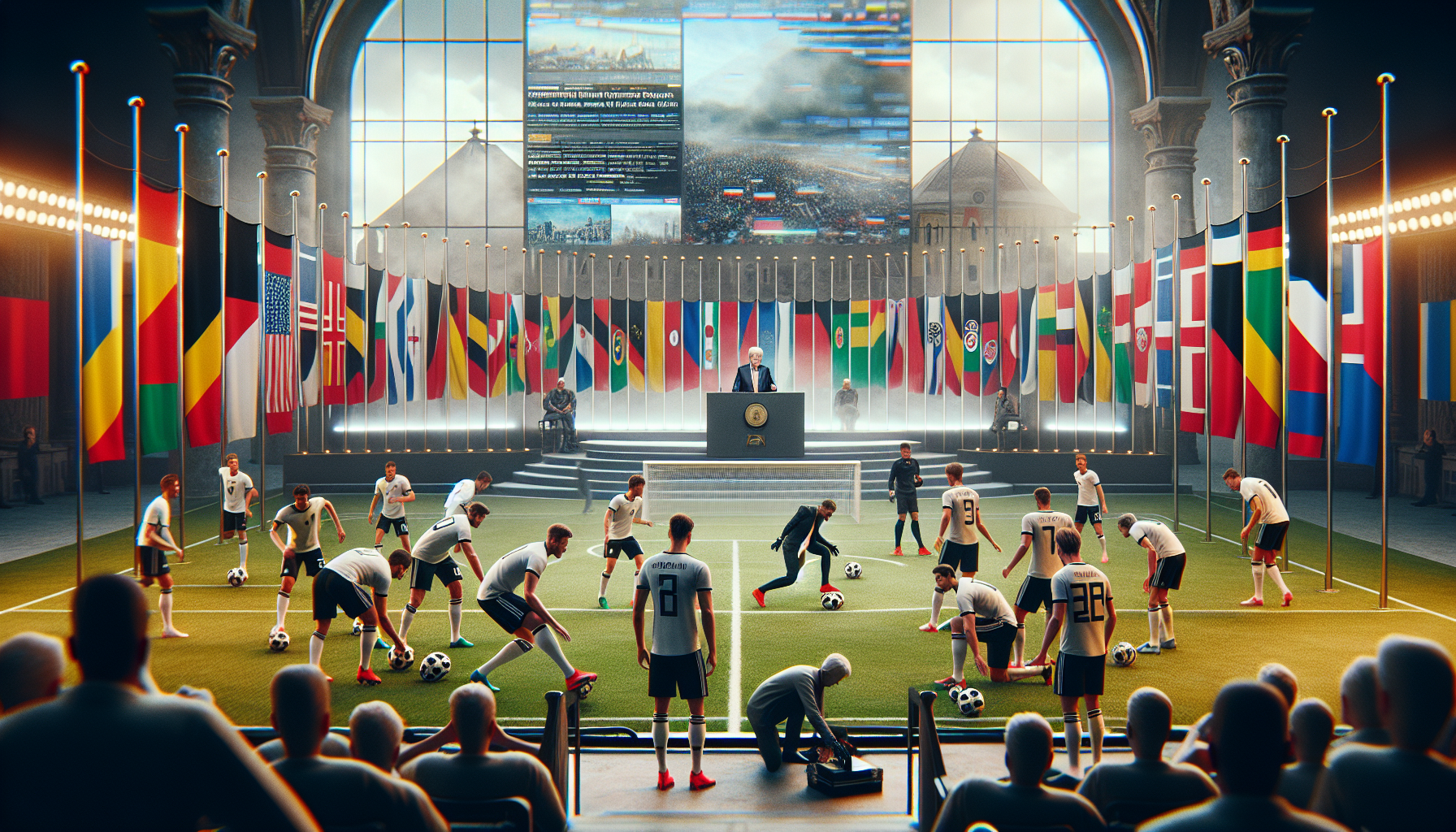
The 2026 World Cup has become a stage for a widely shared European storyline: teams quoting a common identity that extends beyond borders. The conversation around Goretzka ahead of World Cup sits within this narrative, illustrating how players influence perceptions of Europe as a connected footballing community. European clubs and national teams are increasingly leveraging multicultural squads to present a united front on issues ranging from inclusivity to competitive fairness. The United States hosting the event adds a new layer, enabling European talent to connect with fans who may have limited exposure to European football outside big leagues. This cross-border appeal strengthens the sense that European teams operate as a broader continental bloc rather than a collection of isolated nations.
In this climate, coaches and federation officials emphasize collaboration and shared learning across leagues. The rise of international rosters—where players seamlessly switch between countries for club careers—has transformed how fans understand national teams. As a result, European teams arrive at the World Cup not only with tactical plans but with a cultivated sense of collective European identity that can influence group dynamics, player collaboration, and fan loyalty across continents.
Club integration and cross-border appeal
The cross-border character of European football is increasingly reflected in how clubs approach player development and international duties. The interdependence between club form and national team readiness means managers must balance calendar congestion with long-term growth. For fans, this translates into a durable connection to players who carry both club and country expectations. As a result, the discourse around Goretzka ahead of World Cup and similar statements emphasizes more than politics; it highlights a shared European passion for excellence, fair play, and the pursuit of glory on a global stage. This approach can bolster sponsorship, viewership, and participation as the World Cup draws near and the media spotlight intensifies.
Football authorities are mindful that the host nation’s political climate will shape public sentiment and media coverage. European teams, including Germany, are aware that political narratives may intersect with team dynamics, fan engagement, and the narrative arc of the tournament. The result could be a World Cup that is not only about matches but also about how Europe presents itself as a unified footballing community on a global platform. The long-term impact includes strengthened alliances with fans and partners who value a Europe-wide approach to international competition.
Looking ahead to 2026
- Continued emphasis on unity and cross-border collaboration among European teams
- Strategic use of the World Cup platform to advance inclusive values
- Ongoing dialogue about leadership narratives and their influence on sport
As the World Cup approaches, observers will watch not only for results but also for how European teams leverage a collective identity to navigate the political conversations that accompany a global tournament. Goretzka ahead of World Cup may serve as a catalyst for broader reflection about football’s role in society, and how Germany, together with its European peers, can present a cohesive, responsible, and competitive face on the world stage.