

Subtotal $0.00


131
Catalan police investigation
Overview
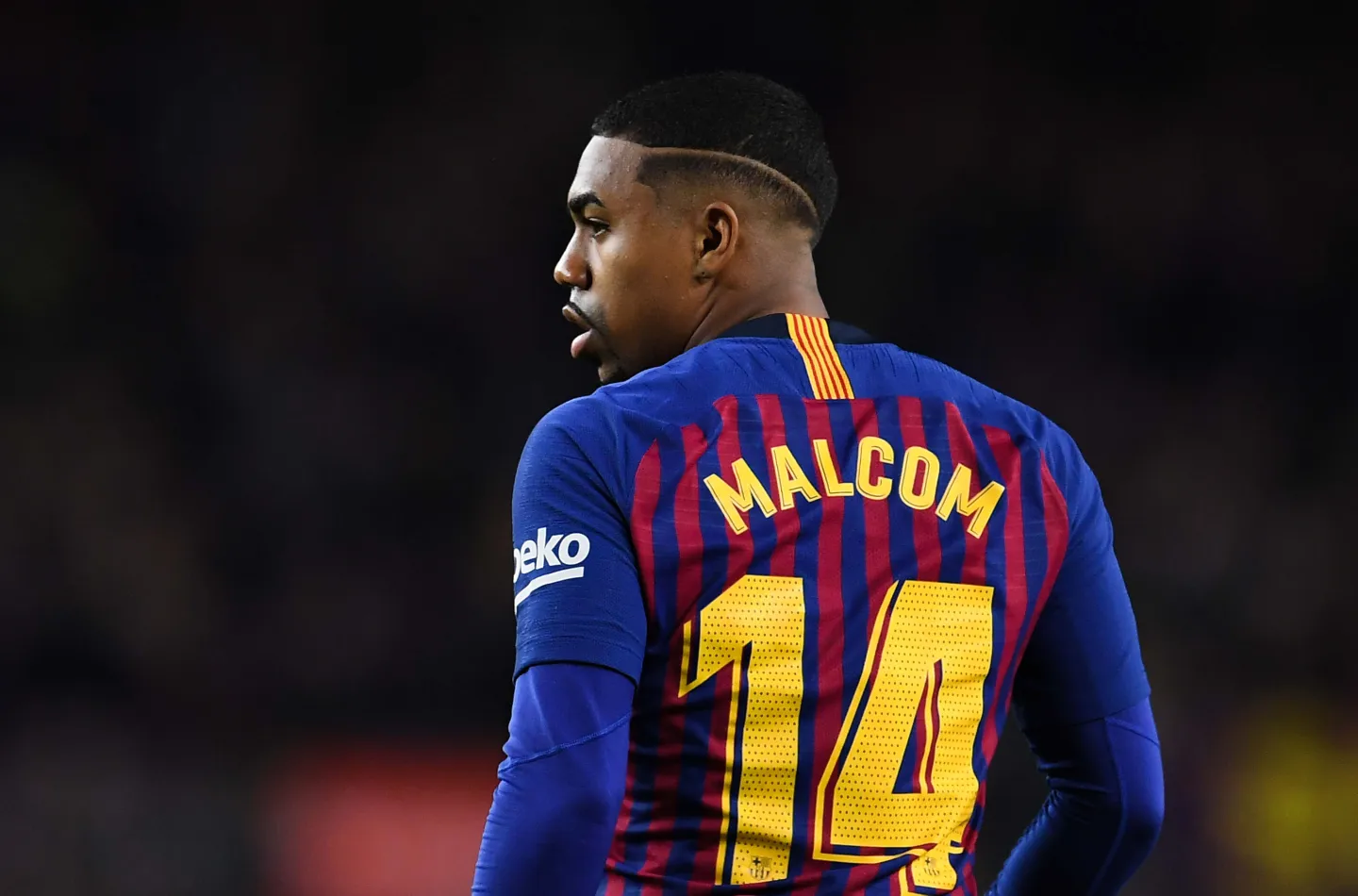
Barcelona Malcom transfer investigation has returned to the spotlight as Catalan police report to the Barcelona Court about alleged financial irregularities in the 2018-2020 period. The inquiry focuses on how the Malcom deal, and related contracts, were reflected in the club’s books during a turbulent era of transfers and sponsorships. Authorities have requested documents and cooperation from the club, and prosecutors could pursue a range of offenses; no charges have been publicly announced so far. This development adds another layer to Barcelona’s off-field challenges and renews questions about governance and financial reporting at the highest levels of the club. For ongoing updates, readers should check reliable outlets such as Reuters and BBC Sport.
The focus on the Barcelona Malcom transfer investigation highlights how a single deal can become a lens for broader scrutiny. Investigators have signaled potential connections between the Malcom transfer and related contracts or payments designed to influence the club’s financial position during a period of heavy expenditure and active deal-making. While charges remain unconfirmed, the police have demanded access to documents and cooperation from the club, which could pave the way for a formal legal process. The public record remains incomplete, but the timeline spans moments when Barcelona balanced high spending with sponsorship income, making governance and transparency essential themes for fans and regulators alike.
Malcom transfer under scrutiny
Key details
The Malcom transfer, completed in 2018, has become a central focus of the police inquiry into Barcelona’s finances. While the exact figures are not fully disclosed in court summaries, investigators are examining whether the deal was accompanied by side agreements or payments to third parties that were not fully disclosed in the club’s financial statements. The scrutiny signals that the Malcom case is being viewed not merely as a single transfer but as a window into how Barcelona reported asset acquisitions during a period of ambitious recruitment and ambitious sponsorship strategies. Barcelona Malcom transfer investigation narratives emphasize governance risk and the need for robust financial controls. For context, readers can consult coverage from Reuters and BBC Sport.
Officials have emphasized that the club is cooperating with authorities, and there is no public indication of charges against individuals linked to the deal at this stage. The investigation touches on how transfer-related payments were structured and reported, and whether intermediary fees or related contracts were used to influence the club’s apparent financial health. The Malcom transfer under scrutiny is complicated by overlapping arrangements, sponsorship deals, and the sale of players, all of which were part of Barcelona’s broader strategy during that period. The outcome could affect governance norms and the level of transparency expected from top executive leadership, as outlined in ongoing football governance discussions across Europe.
Alleged financial irregularities (2018-2020)
Scope and potential offenses
The Barcelona Malcom transfer investigation centers on alleged irregularities in the 2018-2020 window, a period marked by aggressive player recruitment and mixed sponsorship revenue. Investigators are examining whether assets were misrepresented or if payments to third parties were structured improperly. While the precise scope remains unclear in public summaries, the inquiry covers how the club reported multi-party deals and whether related contracts influenced financial statements. The allegations, if proven, could involve misrepresentation of assets, irregular payments to third parties, or other banking irregularities tied to the Malcom deal and adjacent transactions. Readers should follow official court documents for the definitive scope.
As the case evolves, prosecutors may consider a spectrum of offenses, from administrative misreporting to potential criminal concerns, depending on evidence of intent and the nature of the payments. The 2018-2020 period saw Barcelona balancing large expenditures with sponsorship income and player sales, creating a complex accounting backdrop. This complexity is at the heart of the inquiry, reinforcing calls for stronger governance practices, enhanced audit trails, and clearer separation between sporting decisions and commercial arrangements. The discussion extends beyond a single transfer and touches governance standards applicable to football clubs globally.
Impact on Barcelona’s finances and governance
Financial and governance implications
The Barcelona Malcom transfer investigation threatens to deepen reputational damage and could constrain some financial activities as authorities review the club’s governance practices. A finding of irregularities would raise questions about asset valuation, intermediation payments, and the consistency of financial reporting during a high-spend era. The potential for additional audits or more stringent oversight could influence how Barcelona structures future transfer deals, sponsorships, and debt management. Sponsors and regulators watch closely, as any sustained governance concerns can affect the club’s commercial attractiveness and regulatory standing. For broader context, assessments of governance in football have intensified across Europe, reinforcing the need for transparent reporting and independent oversight.
Moreover, the investigation could impact the club’s balance sheet and cash flow assumptions, if material irregularities are identified. Stakeholders may demand clearer disclosure practices, stronger internal controls, and independent audits to restore confidence. Even without charges, the ongoing scrutiny can influence board-level governance discussions and strategic planning, potentially shaping how Barcelona negotiates sponsorship deals, player sales, and long-term financial commitments. As fans await updates, the case underscores the link between rigorous governance and on-pitch performance in modern football.
Club response and legal process
Official stance and next steps
Barcelona has not issued a detailed public response to the Catalan police investigation, though legal representatives are coordinating with authorities as part of the process. The absence of a public statement is not unusual in ongoing inquiries, but it leaves room for Guardian-style scrutiny of how the club defends its governance record. The club remains engaged with prosecutors through its legal team, and updates are expected as court documents are reviewed and requests for information are fulfilled. For readers seeking immediate developments, following statements from major outlets such as Reuters and BBC Sport will be informative.
The legal process is likely to involve formal document requests, potential hearings, and ongoing cooperation between the club and authorities. Depending on what investigators uncover, the case could move from information requests to more formal proceedings that scrutinize the structure of contracts, payments, and reporting practices. The timeline for court hearings and any subsequent legal actions remains uncertain, but the proceedings will be watched by fans, sponsors, and football regulators who are keen to see how Barcelona addresses governance concerns and implements reforms if needed.
What happens next
Outlook and potential outcomes
Looking ahead, the Barcelona Malcom transfer investigation could lead to several trajectories. If prosecutors find evidence of improper payments or misrepresentation of assets, charges could be filed and penalties assigned. Even without charges, the club may face enhanced scrutiny, mandatory governance reforms, and increased audit requirements. The outcomes will influence not only how Barcelona manages future transfers but also how sponsors assess the club’s risk profile. The football world will monitor court dates and document disclosures as key milestones in the case unfold. For ongoing coverage, keep an eye on credible sources and official court releases alongside club communications.
Beyond the courtroom, the broader implications for Barcelona include possible shifts in governance practices, improved transparency protocols, and a renewed emphasis on ethical reporting. Fans and stakeholders will want tangible evidence of reforms, especially in areas such as asset valuation, intermediary payments, and inter-department coordination between sporting, commercial, and financial functions. The Barcelona Malcom transfer investigation thus represents more than a single inquiry; it is a test of governance standards in a world where football clubs operate as complex, data-driven organizations.