
Subtotal $0.00


86
Ronaldo’s leadership under scrutiny after Cup defeat
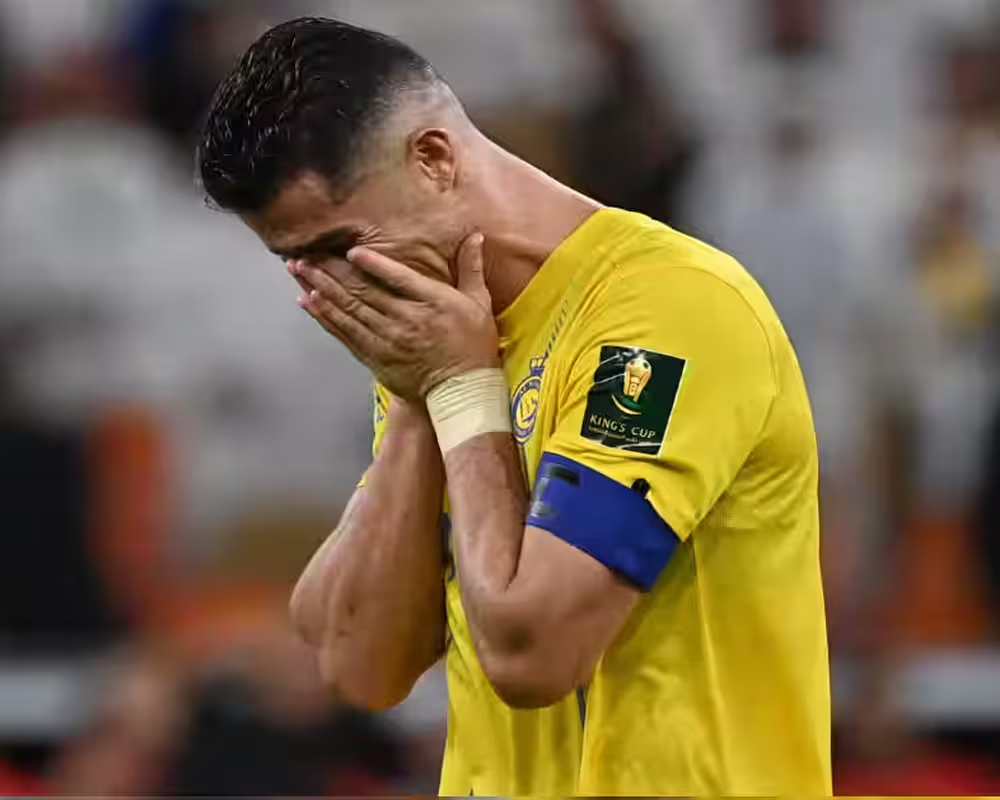
Cristiano Ronaldo’s leadership remains unquestioned, yet Al Nassr’s 2-1 King’s Cup defeat has sharpened questions about how the side is built around a global icon. The Ronaldo free-kick drought has intensified fans’ concerns that the team lacks a secondary source of goals when the captain’s direct interventions fail. Even with his relentless work rate, exceptional fitness, and off-ball movement, the decisive moments continue to elude him, particularly from set pieces and dead-ball situations. In knockout football, teams win more than once; they win with a balanced blend of moments and mechanisms. On Wednesday that balance looked elusive as Al Nassr chased an equalizer while the defense absorbed late pressure, highlighting a need for sharper game management in the final 20 minutes. This game is less about one moment and more about the system surrounding the star.
Beyond the emotion, there is a strategic question: can Al Nassr craft a shape that leverages Ronaldo’s strengths without turning the rest of the attack into spectators? The match indicated a gap in midfield tempo and ball progression, with midfielders struggling to preserve possession under high press and to recycle the ball quickly in transition. Ronaldo’s influence remains potent, but it should not carry the burden of every forward move; the rest of the frontline must create, link, and threaten from different angles. The coaching staff now faces a test of tactical flexibility—how to balance pressing intensity with patient build-up and how to rotate personnel to preserve energy for crucial fixtures. The culture around the club demands that leadership translate into consistent, knockout-style performance. BBC Sport coverage underlines the difficulty of turning talent into trophies, a challenge Al Nassr must address if they are to compete for major honours this season.
King’s Cup setback highlights tactical concerns
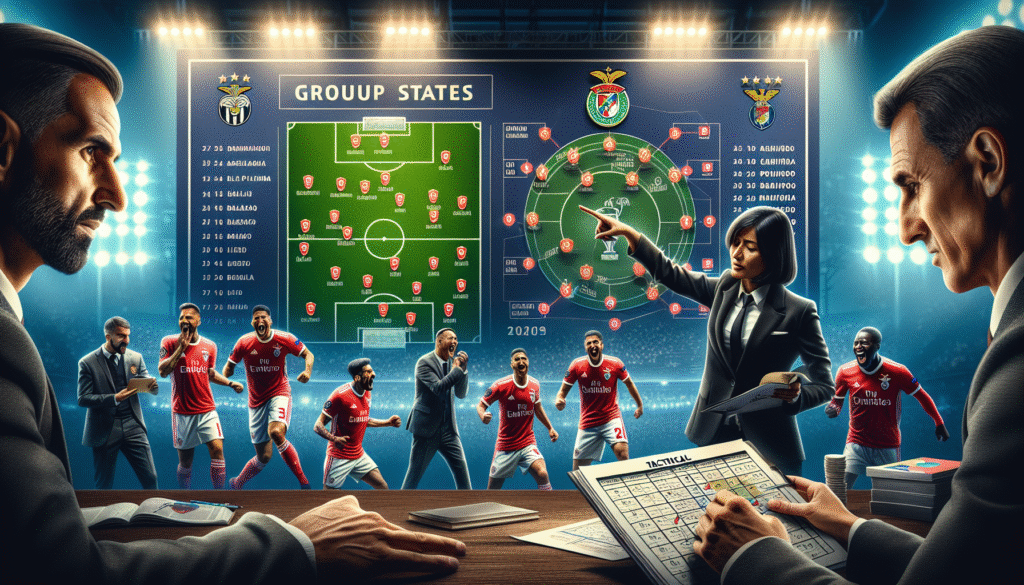
The defeat exposed tactical seams in the way Al Nassr constructs attacks and defends when the pressure is highest. The side’s preferred 4-3-3 or 4-2-3-1 shape has yielded moments of quality, yet there were too many sequences rendered inert by a cautious tempo and a lack of vertical progression. When opponents pressed high, the passing options narrowed, forcing Ronaldo to operate in congested spaces. Wide players drifted inside rather than affording the team genuine width, and the overlap that could stretch compact backlines failed to materialize consistently. Such patterns matter in cup ties, where the clock and the stakes amplify every decision. The game illustrated that even a roster featuring a global star benefits from a clear, executable plan that remains effective under fatigue and tight timelines.
Analysts note that without steady midfield tempo and an alternative goal threat, the system risks stagnation. There was insufficient verticality between lines and limited rotations that could disorganize opponent shapes. A sharper plan to press at critical moments, paired with smarter transitions, could unlock more opportunities for Ronaldo and his supporting cast. The absence of a reliable second scorer makes Al Nassr more predictable when the primary engine falters. The challenge now is to craft a knockout-minded approach: a flexible formation, controlled buildup, and credible alternatives when the star is well-marked. For more on tactical breakdowns in cup ties, see ESPN Soccer for expert analysis on shifting systems under pressure.
Free-kick drought adds burden on Ronaldo
The ongoing Ronaldo free-kick drought has become a focal point for supporters frustrated by a lack of direct, game-changing moments from set pieces. When regular penalties and free-kicks fail to yield a goal, teams rely more on open-play creativity and dead-ball routines that function as a second source of threat. In this match, the absence of a reliable dead-ball weapon increased the burden on Ronaldo to conjure something from open play or to win fouls in dangerous areas. The drought is not just about misses; it shapes how opponents defend, knowing that free-kick opportunities may be rare and high-value when they do arise. The spotlight on Ronaldo’s free-kicks underscores a broader tactical issue: Al Nassr needs multiple pathways to goal, not a single spark from the captain.
Coaches are expected to review the set-piece library and consider fresh routines that create space for Ronaldo without sacrificing ball control. The club’s analytics team could intensify video sessions to identify angles, runs, and sequencing that have previously yielded success, while also developing plans to exploit the aerial strengths of others on the roster. A more diverse attacking palette would reduce predictability, helping Ronaldo operate in spaces where he is most dangerous rather than forcing him to chase free-kick opportunities. Fans and pundits will watch the next round of training for signs that the Ronaldo free-kick drought is shrinking, with attention turning to whether new set-piece variations or personnel changes can deliver a breakthrough moment.
Is Al Nassr over-reliant on Ronaldo for trophies?
Is Al Nassr over-reliant on Ronaldo for trophies? The short answer is that talent and leadership from a single player can propel a club, but trophies require collective depth and adaptability. Ronaldo remains a transformative presence—his goal involvements, off-ball runs, and motivational impact on teammates cannot be undervalued. Yet teams must cultivate a wider threat to avoid becoming predictable when the star is closely marked or momentarily restrained by opponents. Relying too heavily on one driver raises the stakes for every fixture and magnifies the risk when form dips or injuries occur. The club faces a strategic crossroads: continue to leverage Ronaldo’s influence while accelerating the development of a robust, multi-faceted attack and a reliable bench capable of delivering in knockout environments.
Strategically, there is room to diversify the game plan beyond Ronaldo. This includes experimenting with formations that maximize ball circulation, rotating attackers to keep defences honest, and strengthening the spine of the squad with intelligent signings or homegrown talent that can shoulder responsibility in high-stakes matches. A more resilient defensive frame and improved midfield control would help translate regular-season performances into silverware. For broader context on how clubs balance star power with squad depth, see FIFA insights and UEFA analyses on contemporary trophy-winning models.
Paths forward: balancing attack and improving squad depth
Balancing an elite attack with improved squad depth requires clear action across recruitment, development, and tactical planning. Al Nassr should pursue a multi-pronged approach that sustains Ronaldo’s impact while empowering others to contribute consistently. Below are practical steps that could translate potential into trophies while preserving fitness and morale across a demanding schedule.
- Diversify attacking options: encourage genuine width, inverted runs, and interchangeable front-line roles to create multiple routes to goal.
- Strengthen midfield control: prioritize ball retention, faster transitions, and pressing patterns that disrupt opponents’ buildup without compromising balance.
- Expand squad depth: target signings or strategic rotations that provide credible alternatives in forward areas and midfield—prefer players who can adapt to different tactical setups.
- Tactical flexibility: develop a toolkit of formations (for example, 4-3-3, 4-2-3-1, and a compact 4-4-2 when defending) to respond to varied opponents and fixture congestion.
- Set-piece retooling: implement refreshed routines, leverage aerial threats from multiple players, and improve defensive organization to reduce vulnerable moments from dead balls.
In the long run, the goal is to empower a broader core around Ronaldo so that the club remains competitive across all competitions, even if one or two key players are sidelined. The next few weeks will test whether Al Nassr can translate leadership into consistency and whether tactical evolution can unlock the potential that fans and analysts have long anticipated. The King’s Cup setback is not a verdict on the season but a signal that recalibration is necessary if the team is to capture major honours this term. For ongoing coverage of how teams adapt under pressure, follow BBC Sport and ESPN Soccer for updates on tactical shifts and player development.