

Subtotal $0.00


159
Morocco U-20 World Cup triumph: A historic milestone for African football
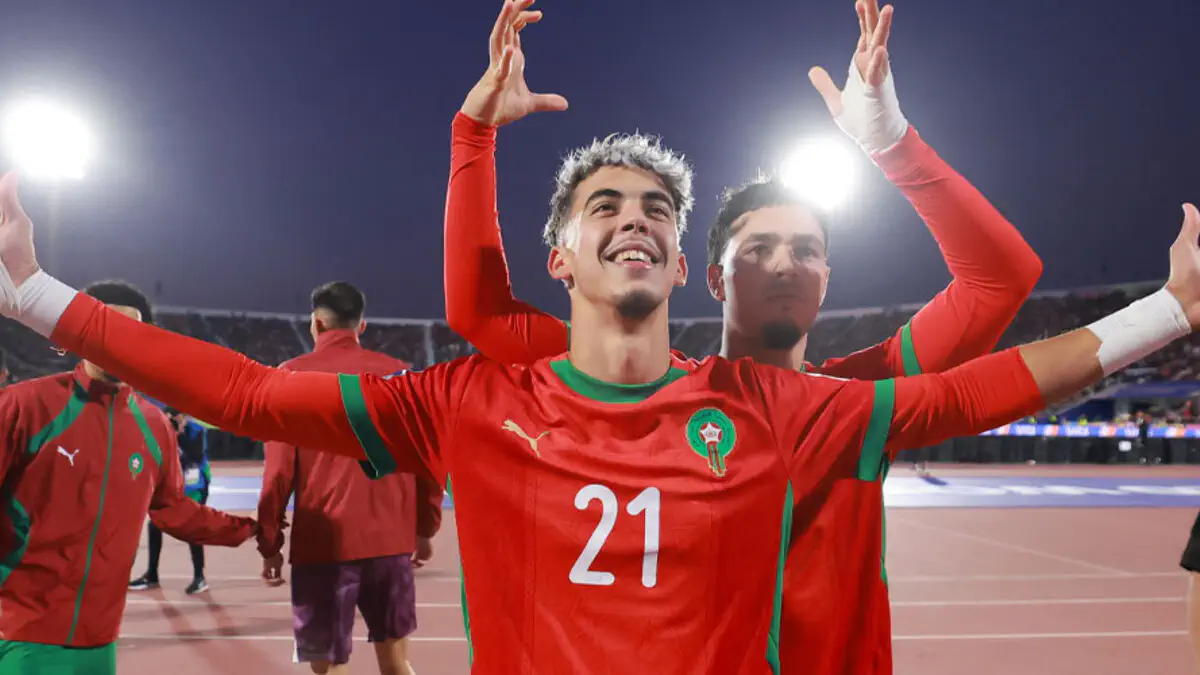
The Morocco U-20 World Cup triumph will be remembered as a watershed moment in African football. On a clear night in Santiago, Morocco’s youngsters delivered a performance built on discipline, skill, and nerve. Yassir Zabiri provided the spark, but the victory rested on a team plan executed with precision. Morocco defeated Argentina 2-0 to clinch the FIFA U-20 World Cup title, writing a new chapter for the continent. This triumph is more than a trophy. It signals improved coaching, better facilities, and a pipeline capable of feeding senior teams and top clubs across Europe and beyond. For Moroccan fans and for Africa as a whole, the win hints at a broader shift in youth football power. The time for ambition has a new ceiling.
Morocco becomes first African nation to win U-20 World Cup
By lifting the trophy, Morocco became the first African nation to win the FIFA U-20 World Cup. The squad blended technical polish with grit, thriving under pressure from the opening group games through the knockout rounds. They navigated tricky fixtures with composure, earning praise from coaches and scouts alike. This historic success tests stereotypes and redefines what is possible for youth programs on the continent. It also broadens opportunities for players to chase professional careers far from home. The victory is a signal that African football is investing wisely and delivering results at the sport’s global academy stage. For fans back home and across Africa, it matters deeply. FIFA coverage highlights the significance of this milestone.
The Estadio Nacional Julio Martínez Prádanos in Santiago offered a dramatic backdrop for history. Morocco’s players executed a disciplined plan that matched their natural talent. Final nerves gave way to confidence as the team kept Argentina at bay and exploited set-pieces and quick transitions. The result was earned, not granted, and it underscored the quality of Morocco’s development system. This is the moment when years of investment in coaching, youth leagues, and international exposure paid off on football’s biggest youth stage. It is a boast that will reverberate across Moroccan sport for years. BBC Sport provides strong post-match context on the win.
Zabiri braces to seal 2-0 victory over Argentina
Yassir Zabiri produced a memorable double, opening with a precise free-kick in the 12th minute and finishing from close range in the 29th. The two goals showcased his calm, technique, and ability to read the game when it mattered most. Zabiri’s performance became a focal point of Morocco’s run to the title and a talking point for coaches scouting the tournament. His brace was more than a personal milestone; it epitomized the team’s maturity and late-game composure under pressure. The win added to the narrative that Morocco now possesses a genuine attacking threat capable of troubling world powers. For further analysis, see BBC Sport.
Beyond Zabiri, the victory reflected a balanced squad effort. Midfielders controlled tempo, defenders absorbed pressure, and forwards hunted opportunities with energy. This blend of technology, training, and talent illustrates how Moroccan clubs and national programs are aligning to produce players ready for top leagues. The result strengthens the case that the entire youth network—from academies to international camps—creates ambassadors who can succeed on football’s biggest stages. Scouts released early praise for the group’s overall intelligence and regional potential.
Final held at Estadio Nacional in Santiago
The final was staged at the Estadio Nacional Julio Martínez Prádanos in Santiago, a venue steeped in history and atmosphere. The arena provided a fitting canvas for a historic night, with thousands of Moroccan and Argentine fans turning out and turning the stadium into a vibrant theatre of football. Organizers delivered a clean, efficient event that underscored the U-20 World Cup’s growing profile and South America’s role as a gateway for youth talent. For supporters tracking logistics, the venue’s role in this milestone matters as much as the result on the field. The night reinforced how a stadium can become part of a country’s football memory.
On the pitch, Morocco seized the moment. The tactical discipline and high pressing that defined their campaign translated into a final that stayed true to their principles. The clean sheet and the controlled aggression in midfield illustrated a team that had learned to win in diverse ways. The Estadio Nacional setting will be remembered as the stage where a new chapter began for African youth football. The night also highlighted how infrastructure and event organization contribute to the story of a title-winning campaign. For an extended look at the matchday atmosphere, see FIFA.
Impact on Moroccan football and African youth football
The Morocco U-20 World Cup triumph is widely seen as a catalyst for broader development across Moroccan football. The victory shines a spotlight on the strength of youth academies, coaching standards, and opportunities for international exposure that have grown in recent years. With the trophy, the federation may attract greater investment in training facilities, staff education, and structured youth leagues. The win resonates beyond Morocco, sending a clear signal to African football that with proper planning, preparation, and opportunity, youth teams can compete with traditional world powers. See regular updates from FIFA and BBC Sport on evolving continental programs.
More importantly, the triumph creates role models for aspiring players and opens doors for international exposure. Scouts will monitor Moroccan players more closely, potentially accelerating moves to top European leagues. The collaboration among clubs, schools, and national teams could yield a sharper development curve and better pathways for Africa’s next generation. If infrastructure continues to improve, this cohort could deliver more players in senior teams and overseas leagues, lifting the continent’s profile. The broader impact is measured in opportunities created, not just trophies won. This is how success compounds across a footballing ecosystem.
What this means for the future of Moroccan talent
What this talent surge means for the future of Moroccan football is substantial. The U-20 World Cup triumph demonstrates that Morocco can produce players who compete with the best at world level. Expect more players to attract interest from European clubs, to gain top-league experience, and to return with sharpened tactical literacy. The nation’s senior team could benefit from a richer pool, with a more robust midfield and attacking options built on a dynamic academy pipeline. The key is to sustain quality coaching, competitive fixtures, and consistent investment in facilities. The transition from youth glory to senior impact starts here.
Looking ahead, several players from Zabiri’s cohort will be watched as potential anchors for Morocco’s senior side. The challenge now is to convert youth success into durable international performance. That means maintaining coaching excellence, expanding competitive opportunities, and continuing to invest in youth infrastructure. The triumph should spur regional collaboration across Africa, promoting a more coordinated pursuit of youth development goals. For fans and policymakers alike, the Morocco U-20 World Cup triumph serves as a reminder that dreams at the youth level can reshape a sport’s entire landscape and inspire the next generation to aim higher.