
Subtotal $0.00


18
Injury details
How the injury occurred
Mohammed Salisu ACL injury was confirmed after he ruptured his left knee ACL in the closing minutes of Monaco’s Ligue 1 clash with Lyon. The defender stretched to intercept a ball in a high-intensity moment, and the knee buckled under pressure. He left the pitch on a stretcher, receiving immediate medical attention on the sideline. Club officials later announced that scans showed a rupture of the ACL, a severe diagnosis that effectively ends his season. The Mohammed Salisu ACL injury creates a heavy blow to Monaco, given how central he has been to their defensive structure. With him sidelined, the coaching staff must rethink the backline for upcoming fixtures and pivot to trusted partners ready to step up. For official updates, you can visit the Monaco official site.
Medical diagnosis and immediate impact
Following a series of tests, the diagnosis was confirmed: a ruptured ACL in Salisu’s left knee. The injury typically requires months of rehabilitation and a staged return to training and competition. For Monaco, the immediate effect is tactical as well as physical. The first-choice centre-back pairing loses a pillar of balance and leadership. The coaching staff must consider reshaping the backline, possibly adopting a slightly deeper two-man shield or introducing a more experienced partner for Disasi. The Mohammed Salisu ACL injury diagnosis underscores the scale of disruption, and the medical team will outline a precise return-to-play timetable while beginning a careful rehabilitation protocol designed to minimize re-injury risk and keep the squad competitive during a demanding stretch of fixtures. More on ACL handling can be found at reputable resources such as Mayo Clinic’s guidance on ACL injuries.
Player profile
Background and playing style
Mohammed Salisu arrived in Monaco with a reputation for composure, ball-playing distribution, and position discipline. The left-footed centre-back helps balance the defensive line, with the ability to step into midfield lanes and cover ground quickly. His pacing allows Monaco to press high and recover quickly through compact shapes during transitions. Salisu’s defensive instincts include precise spatial judgment and timing in challenges, becoming a cornerstone for the club’s approach this season. The Mohammed Salisu ACL injury shifts not only his career trajectory but also forces Monaco to rethink how they build the backline around his strengths. For more about Monaco’s squad philosophy, see the Monaco official site.
Career snapshot and leadership
Since joining from his prior club, Salisu has been a regular starter in a Monaco defense that values discipline and tempo. His experience in European competition has aided the team’s readiness against top opponents. Beyond his on-pitch duties, he has contributed leadership, helping younger defenders learn to manage space and read the game. With his absence, the club must lean on other experienced players to maintain structure while he recovers. The Mohammed Salisu ACL injury will test how well teammates adapt to his role in guiding the back line under pressure. A steady, veteran presence is crucial in these stretches, and the bench must deliver consistency.
Impact on Monaco’s defense
Backline reconfiguration
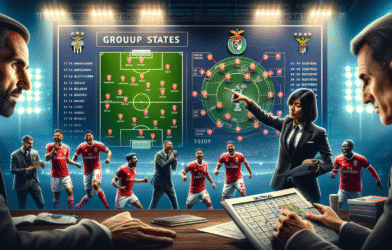
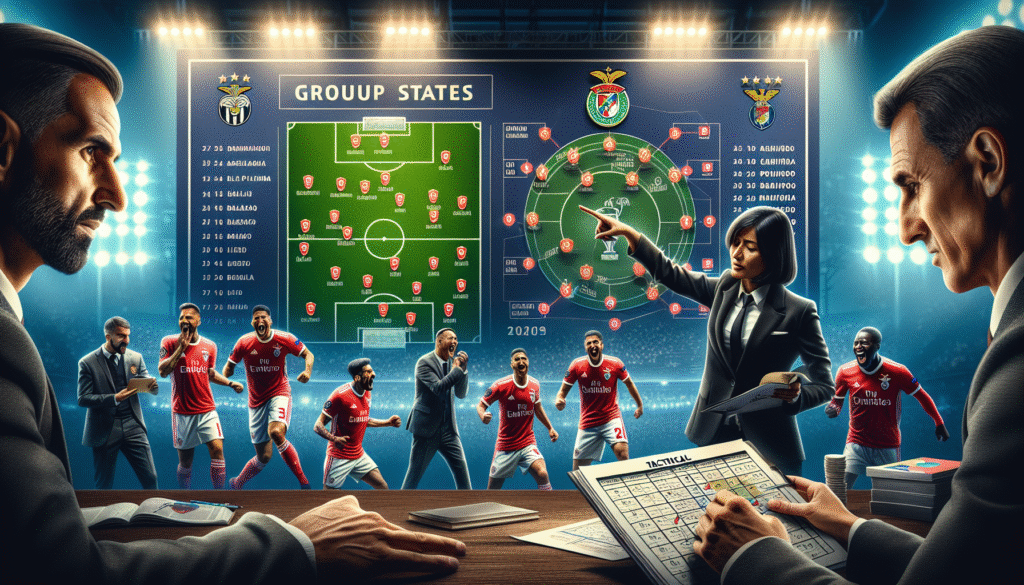
The loss of Salisu forces Monaco to rethink central defensive partnerships. The club may pair Axel Disasi with Guillermo Maripan to preserve balance and experience. Disasi’s pace and aggression complement Maripan’s anticipation and ball progression. The back pair could be supported by a slightly deeper midfielder in some fixtures or a temporary shift to a back three in specific matchups. Yet the absence of Salisu reduces flexibility and raises risk in high-press or quick-transition games. Monaco must adapt quickly to maintain defensive solidity in Ligue 1 and during European campaigns still within reach. This challenge directly ties into the Mohammed Salisu ACL injury narrative as the club seeks resilience.
Leadership and in-game communication
In addition to individual attributes, Salisu provides leadership and clear communication along the back line. His absence challenges cohesion in transitions and set-piece organisation. The coaching staff might demand more vocal leadership from Disasi and Maripan, while ensuring the captaincy group reinforces defensive cues. The substitute pairing will need to keep roles consistent and limit miscommunications. A robust plan to rotate defenders without sacrificing shape will be crucial as the season tightens. The squad will need to stay vigilant and maintain the discipline that has characterised their defense this year, despite the Mohammed Salisu ACL injury.
Recovery timeline
ACL rehabilitation basics
ACL rehab is a staged, careful process. For Salisu, it begins with swelling control, restoration of range of motion, and gradual strength work. Physical therapy builds foundational knee stability before any running or plyometrics. As healing proceeds, athletes gradually reintroduce sport-specific drills under supervision. The objective is to restore confidence in the knee’s stability, allow players to accelerate, decelerate, and change direction safely, and avoid graft re-injury. The medical team and coaching staff monitor every milestone to balance ambition with safety for the Mohammed Salisu ACL injury patient. Recovery strategies emphasize gradual exposure and progressive load management.
Estimated timelines and variables
Most ACL tears require several months before competitive action resumes. In elite football, a typical return window spans seven to ten months, depending on surgical outcomes and rehab adherence. Salisu’s pace will hinge on the quality of surgery and his response to therapy. Monaco will map a staged return plan that aligns with their Ligue 1 schedule and any European commitments, adjusting for fitness improvements and potential setbacks. Regular updates will come from the club as milestones are reached and the player progresses toward a full comeback. The Mohammed Salisu ACL injury timeline will remain a focal point for fans and analysts.
Squad depth and replacement options
Internal options
Monaco’s squad offers several internal pathways to cover for Salisu’s absence. Axel Disasi and Guillermo Maripan form a credible first-choice pairing, with a change-friendly mindset to cover different opponents. A young centre-back could be introduced to gain experience, while others may fill in as needed during congested periods. The club could also deploy a flexible backline system to maintain defensive discipline while preserving pressing intensity. Keeping the back line coordinated will be essential as players grow into new roles and responsibilities during a challenging run of fixtures. For depth references, see the Monaco official site.
January and summer recruitment
January options or a future recruitment strategy could be considered to bolster central defense depth. Monaco would look for experienced league players who can adapt quickly to a disciplined system and add leadership on the field. Any potential signing would be evaluated alongside the club’s broader budget, long-term development goals, and the competing demands of Ligue 1 and European competition. By strengthening the squad, Monaco hopes to reduce risk and maintain competitiveness while Salisu rehabilitates, ensuring the club remains in the hunt for honours this season. Recruitment plans often consider the Mohammed Salisu ACL injury context alongside strategic goals.
Club response and implications
Club communication and official stance
Monaco’s management publicly acknowledged the severity of Salisu’s injury and extended support for his rehabilitation. An official statement emphasised patience and a commitment to a comprehensive return-to-play plan. The message reassured supporters that medical staff are coordinating with the coaching team to preserve competitiveness during his absence. Clear communication helps maintain morale, reduces speculation, and sets realistic expectations about the Mohammed Salisu ACL injury timeline. The club’s openness also signals unity as the squad navigates a challenging period. Fans can expect continued updates as progress is made.
Implications for the season and beyond
The Mohammed Salisu ACL injury places extra pressure on Monaco’s defence and overall strategy. With crucial league games and potential European qualification battles ahead, the team must adapt tactically, tighten collective resilience, and protect margins in tight fixtures. Long-term planning will focus on how the backline evolves without its first-choice option and how the squad sustains performance as Salisu rehabilitates. Depth management, smart recruitment decisions, and disciplined execution will determine whether Monaco can maintain momentum now and in the months ahead. The club remains committed to competing at the highest level despite this setback.
- Maintain defensive discipline while Salisu is out
- Explore contingency options in January window
- Balance Ligue 1 and European ambitions with depth