
Subtotal $0.00


25
Overview
Stability over spectacle
Manchester United’s recent upturn, guided by Michael Carrick interim impact, has punctured a narrative of crisis. The interim title remains honest about temporary measures, yet the energy around the team is undeniable. Carrick’s approach emphasizes order, collective responsibility, and practical improvements rather than a bold stylistic reboot. Fans crave consistency, not fireworks. The balance between calm and ambition is now the talking point as the calendar tightens around a demanding season.
The immediate question is whether two wins can translate into longer term gains. Carrick inherits a squad aware of fragility. His job is to sustain momentum without overburdening players. The focus is on shape, discipline, and procedural calm. In this environment, results matter less than the signs of progress across both lines. For broader context and updates, see BBC Sport and the club’s official notes at ManUtd.com.
Context and cautious tone
Beyond results, there is a broader context. The club remains in interim stewardship, not a new era. Carrick’s brief calls for stability first, then progress. He has stressed defence, organised build-up, and reduced errors. The contrast with earlier phases is clear: focus on balance over flamboyance. The field has shown glimpses of a unified plan, but the full test is still ahead.
Off the pitch, leadership decisions must avoid disruption. The dressing room should feel supported, not unsettled by frequent changes. Carrick’s plan relies on repeating principles, refining set-pieces, and preserving energy. The clock is not kind in a busy season, so prudence is essential for lasting impact. The football world watches closely, weighing the pragmatic approach against growing expectations.
Two Wins Under Carrick
Two wins, tangible signals
The two wins under Carrick interim are not merely numbers. They reflect tangible shifts in structure and rhythm. United defended with greater discipline and pressed with intent at appropriate moments. Build-up play carried less risk and more purpose. The team looked more coherent, particularly in transitions, which had previously been a vulnerability. The mood around the squad shifted as confidence returned in measured steps.
Critically, Carrick found a balance between solidity and attacking threat. Players settled into familiar roles, enabling faster decision making. The feel of the matches suggested confidence could be regained with a measured risk. The results provided a clear window to assess squad dynamics and potential modifications in January discussions with the board and scouts.
Limitations and workload
Two wins cannot erase a challenging fixture list or the fatigue from a congested schedule. Carrick faces the reality of a tight calendar, where minutes must be managed carefully. Rotations will be essential, but too much turnover risks undoing the gains. The task is to protect the core while integrating any late transfers without destabilising momentum.
Opponents will study patterns quickly and adjust. Carrick’s plan should anticipate tweaks and new ideas from rivals. The interim label may influence board confidence and player expectations. The bigger challenge is sustaining intensity while avoiding overexposure. The coming weeks will show whether the gains under Carrick interim can endure under tougher tests.
Tactical Shifts
Defensive discipline and shape
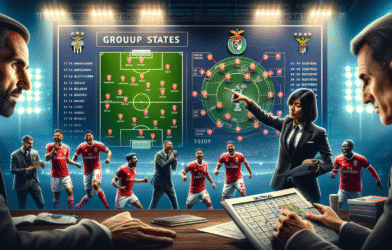
Organisational discipline has become a hallmark of Carrick’s brief. The defence appears tighter, with reduced lapse in transitions. The back four communicate better, while the midfield offers more screening. Such adjustments lower risk and give the goalkeeper a more solid platform. It is a tangible improvement in risk management and confidence for the crowd.
Positioning and spacing underpin this shift. Players press as a unit, not as individuals, ensuring compact lines and fewer gaps. The aim is predictable build-up—less speculative progression, more patient play and measured crosses. The changes have a logical core and align with Carrick’s emphasis on stability over experimentation. The defence looks more resilient in the moments that previously caused concern.
Build-up, tempo and pressing balance
In possession, Carrick’s guidance favors structured build-up rather than long balls under pressure. The central midfielders link defence to attack with deliberate passes. The tempo is controlled, avoiding frantic transitions that invite counter-chances. This approach keeps the team on the front foot without inviting reckless openings.
Out of possession, the press is more selective and coordinated. Teams must respect the shape, and players press as a unit when the moment is right. The balance between aggression and cover is delicate, but early signs suggest a more dynamic yet disciplined approach. It is a notable directional shift toward a more coherent identity for United.
Cautious Optimism vs. Risk
Momentum in the balance
The optimism is tempered. Two wins can create momentum, yet it can also invite overconfidence. The danger is reading a short sequence as proof of a lasting shift. Carrick’s interim impact should be assessed through process as well as outcomes. If build-up, defence, and rotation work, confidence can grow without hype. The long road remains ahead.
Fans crave clarity and consistency. The season’s stakes remain high, and a busy schedule tests endurance. The club’s leadership must protect staff wellbeing and maintain training clarity. The interim phase should serve as a proving ground for compatibility between squad, staff, and Carrick’s philosophy. Real progress will be measured by how routine the improvement becomes.
Injury, fatigue and adaptation
Injuries have a way of exposing weakness if momentum is sustained too long. Carrick must adapt, manage minutes, and utilise squad depth. Strategic rests for key players will be essential to avoid burnout. The better-performers may need protection to maintain level across a demanding slate. Depth will determine whether the trend continues beyond two wins.
Adaptation also means flexibility in approach. If opponents adapt to the current shape, changes may be required. Carrick’s ability to adjust while preserving the core structure will test his leadership. The real measure will be whether United can translate small, incremental improvements into a durable competitive edge that endures in tougher tests.
Next Steps and Outlook
Sustainability and squad management
Longer term, the focus is sustainability. Carrick must steward the squad through a critical period, balancing rest with testing new ideas. Rotation needs to be smart, not arbitrary. The goal is depth in quality, not fatigue that spills into matches. The club must guard against complacency and keep sharpening the system. The clock is ticking on every decision.
Coordination with the interim coaching team is essential. Clear communication about roles, targets, and responsibilities will maintain confidence. Carrick’s leadership should emphasise process, not just outcomes. If the players buy into a consistent plan, the team can build a stable platform for the remainder of a high-pressure season, cultivating momentum that lasts beyond the next fixture.
Transfers, strategy, and interim legacy
Transfer activity remains a talking point. Any January reinforcements should align with Carrick’s framework, strengthening weaknesses without disrupting balance. The club must scout effectively, prioritise fitness, and avoid hastily chasing impact players. A measured approach to recruitment will reinforce the interim period rather than complicate it.
Finally, the legacy question looms. Can Carrick translate urgency into sustainable success? That answer depends on credibility, discipline, and the willingness of the squad to embrace a practical path. If the results continue alongside methodical growth, the interim dimension could gradually recede as the team moves toward a clearer identity. For ongoing updates, check the club’s official announcements at ManUtd.com and trusted outlets like The Guardian.