
Subtotal $0.00


33
Carrick named United interim head coach
Manchester United interim coach Michael Carrick has been named to lead the club through the rest of the season, a decision announced by Sky News. The upheaval at Old Trafford this season has left the squad searching for steady leadership, and Carrick — a trusted former captain who has returned to a coaching role — is seen as the right man to steady the ship. His appointment signals the club’s preference for continuity and familiarity within the locker room while senior leadership evaluates a longer-term plan. The interim spell will focus on balancing immediate results with developing younger players and imprinting the coaching staff’s philosophy on the existing squad. For fans, it offers a glimmer of stability after a period of turbulent change.
As Manchester United interim coach, Carrick inherits a group hungry to improve and eager to see a clear, repeatable game plan. He will be judged on discipline, work rate, and cohesion in a packed fixture list. The immediate priorities include restoring confidence after setbacks, refining defensive shape, and ensuring a consistent approach to set-pieces and match preparation. Carrick’s track record as a midfielder who understands pressing triggers and positional responsibilities gives him a natural platform to implement a pragmatic system that can be adjusted as results dictate. The club’s focus is on making a swift, credible impact while evaluating players for a longer-term rebuild.
Why Carrick was chosen
The reasoning behind Carrick’s appointment lies in trust and continuity. He knows the club’s culture, has relationships with existing staff, and has demonstrated a managerial pragmatism in previous caretaker stints. Carrick’s approach is more about stability than sweeping tactical change. He can align quickly with players who know his standards and expectations. The decision also reduces immediate disruption to the training ground and matchweek routines, both of which matter given the crowded calendar ahead.
What it means for players and staff
- Clear leadership and a familiar voice in the dressing room.
- Continuity in training blocks, with emphasis on defensive structure.
- Greater accountability on and off the pitch, especially in high-pressure fixtures.
Further context came from club insiders who highlighted Carrick’s ability to manage personalities while preserving the club’s values. The interim role is intentionally short, but it allows for a more thorough evaluation of squad members and coaching staff. For more on the appointment, readers can refer to BBC Sport coverage or the official club page Manchester United.
Stability and continuity for the season
Stability is the central aim of this interim period. Carrick’s remit is to bring a repeatable process to training, selection, and leadership. The approach is less about dramatic changes and more about smoothing daily routines. The club hopes to reduce noise and focus on fundamentals—defensive shape, transition timing, and clinical finishing. With a congested schedule and the expectation to chase a top-four finish, simple, consistent systems help players trust their roles. Carrick’s background as a former captain and his recent coaching work make him well suited to implement a clear plan that can be applied across different opponents.
Key elements of the stability drive include a steady training cadence, unified messaging from staff, and predictable matchday rituals. Players will notice more consistent preparation in terms of video analysis, set-piece routines, and recovery protocols. The goal is to minimise surprises and maximise performance in high-stakes games. Off the field, leadership continuity matters as much as tactical steadiness, allowing the club to evaluate its long-term options without rushing a permanent appointment. For supporters seeking context, coverage from Sky Sports and BBC Sport offers broader perspectives on the transition.
Tactical approach and player development
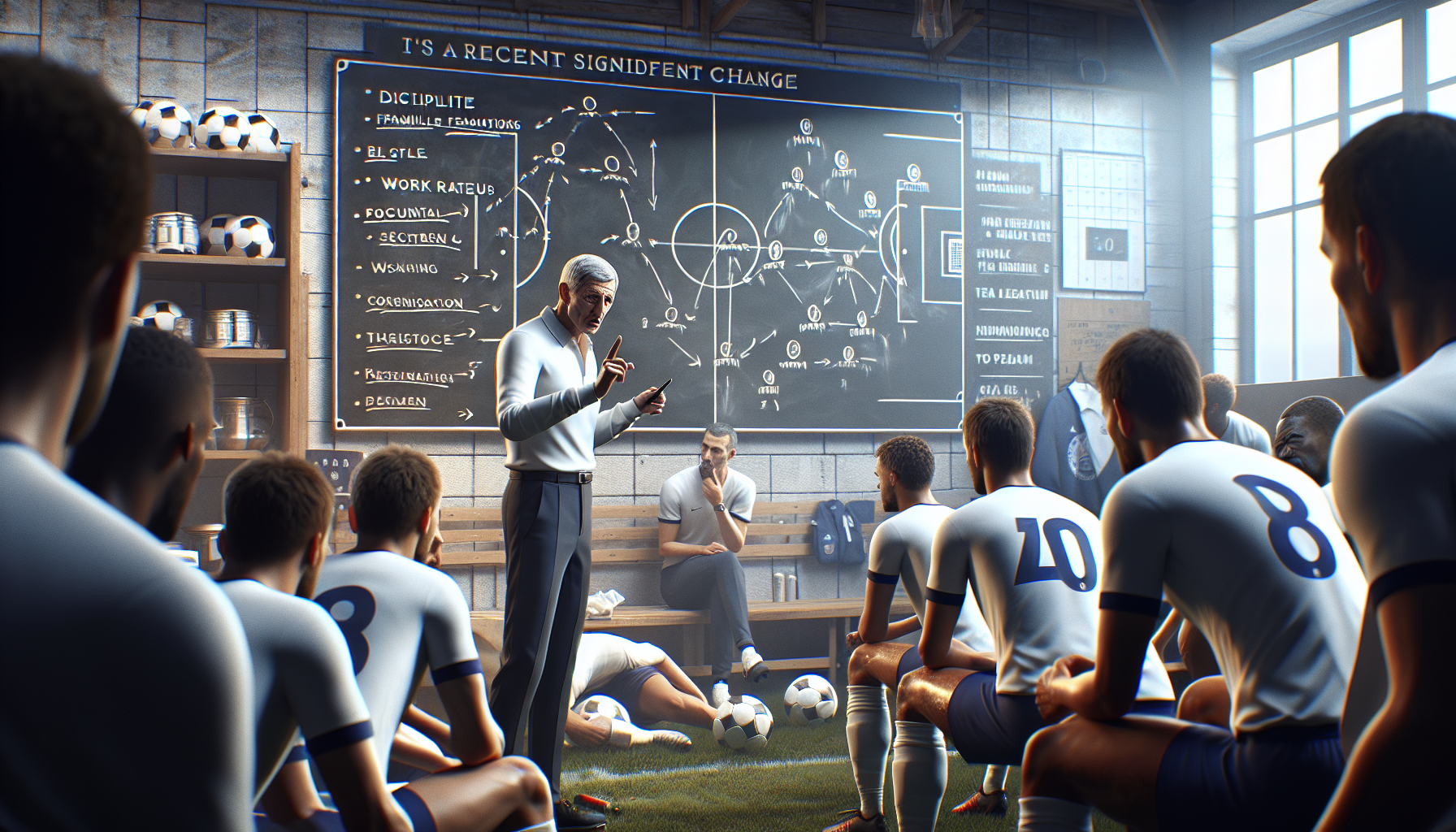
Carrick’s described approach leans on an established defensive shape and a pragmatic style that suits a squad navigating a demanding run of fixtures. He is expected to prioritise solidity at the back, disciplined tracking, and efficient use of possession in the opposition half. In possession, the plan is likely to emphasise controlled buildup from the back, quick outlets to the midfield and wingers, and purposeful ball progression to create chances without unnecessary risk. The emphasis on structure is designed to reduce the number of soft concessions and to convert more of the team’s chances into goals.
From a development perspective, the interim period provides a valuable platform for younger players to earn heavier roles and for fringe squad members to prove their readiness. Carrick’s sessions are expected to feature compact defensive drills, high-tempo pressing in transitions, and targeted work on set-pieces—both attacking and defensive. The environment will reward discipline, work rate, and cohesion, which can accelerate growth for academy graduates and academy-aligned talents who have trained alongside senior teammates for years. Transitioning players like Garnacho, Mainoo, or Pellistri—if they are within the current squad—could gain more meaningful minutes, as Carrick balances results with long-term potential. For readers seeking practical insights, established coaches’ analyses can be found at BBC Sport and Manchester United.
Key tactical priorities
- Solid defensive shape and disciplined pressing triggers.
- Efficient ball progression and rapid transitions to attack.
- Emphasis on set-piece organization for both defense and attack.
- Continued development paths for younger players within a competitive framework.
Implications for permanent successor and recruitment
The interim appointment raises important questions about the club’s long-term direction and recruitment strategy. Carrick’s tenure will serve as a bridge, allowing senior leaders to assess the best fit for a permanent head coach while maintaining a steady hand for the squad. It also shapes the recruitment philosophy in the next transfer windows. If the club identifies a coach with a particular footballing philosophy, Carrick’s ability to implement a compatible system during the interim period becomes a crucial advantage. In practical terms, recruitment decisions may lean toward players who can adapt quickly to a disciplined, defensively sound unit and who can contribute to a stable environment that the interim period seeks to create.
There are several plausible paths for the club’s next steps. One is a high-profile appointment who can deliver immediate impact and technical swagger; another is a methodical choice who prioritises gradual rebuilding and youth integration. Either route will be influenced by how Carrick performs in the remainder of the campaign and by the strength of the supporting coaching staff. The interim spell also provides a testing ground for evaluating the compatibility of new signings with the club’s culture and the existing group. For fans and analysts, the key is to observe how the club aligns short-term results with long-term ambitions, a balance that will define the tone of recruitment strategy in the summer window. For broader industry perspectives, see Transfermarkt analyses and UEFA coverage.
In sum, the interim period is both a period of transition and a staging ground for a more definitive plan. Carrick’s leadership will be judged on how effectively he preserves the club’s core values while instilling a sense of stability that can attract the right long-term candidate. The success of this approach hinges on clear communication, consistent routines, and a shared belief among players and staff that progress is achievable within the constraints of a tightly packed season. As the campaign unfolds, Inside Football News will track the evolution of the squad under Carrick and the broader strategic choices that will shape Manchester United’s trajectory beyond this year.