
Subtotal $0.00


108
Real Madrid seeks damages from UEFA
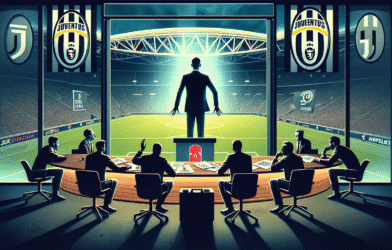
Real Madrid has signaled its intention to pursue substantial damages from UEFA, alleging that the European governing body blocked the club’s ambitions to revive the controversial Super League project. The claim centers on Madrid damages UEFA over Super League, a phrase now echoed in court filings and press statements. The club argues that UEFA’s actions deprived it of a viable pathway to renew a competition format it views as essential to its sporting and commercial strategy. This is not a casual dispute; it sits at the heart of a long-running clash over who controls European football’s calendars, formats, and revenue streams. For Madrid, the stakes are financial, reputational, and strategic, with potential implications for sponsorship and broadcasting opportunities that could have followed a revival of the project. UEFA has publicly defended its governance decisions, but the legal battle is far from over.
Legal context and potential remedies
The club’s lawyers argue that blocking the Super League amounted to actionable harm. They say the decision limited value creation and jeopardized future commercial deals. While no exact sum has been disclosed, the claim is expected to hinge on tangible harms such as sponsorship losses, reduced broadcasting revenue, and broader reputational damage. Madrid stresses that remedies could extend beyond simple compensation, potentially affecting clauses, timelines, and future collaboration with regulatory bodies in Europe. Analysts say the case could redefine how clubs seek redress when governing bodies impede major projects. Madrid court records will shape the trajectory of this dispute.
Blocking of the Super League project
The core grievance for Real Madrid centers on what it views as a decisive blocking of the Super League idea. With the project stalled, the club contends that significant revenue streams and sponsorship prospects were left unexplored. The narrative is not just about a single proposal; it reflects a broader confrontation over whether clubs can pursue ambitious formats without formal approval from the sport’s governance system. Real Madrid argues that UEFA’s actions have constrained competition, balanced against the federation’s duty to protect financial stability and fair play. Supporters of the stance say the governance framework exists to prevent fragmentation, while opponents contend that it stifles innovation and deprives fans of compelling football experiences. For readers, the heart of the matter remains a dispute over control and opportunity. UEFA maintains that its actions were consistent with long-standing rules.
Impact on competition formats
Critics of UEFA’s position argue that rigid governance can impede progress. They warn that blocking bold ideas may push clubs toward unilateral actions, potentially fragmenting European football. Proponents of reform note that changing formats and revenue distribution is essential to sustaining top clubs and delivering competitive balance. The debate touches on broadcast deals, sponsorship models, and how fans engage with the sport. In the legal arena, stakeholders watch closely to see whether the courts will require concessions or reforms to the governance process, potentially shaping future negotiations between clubs and authorities. BBC Sport has covered the tension in ongoing coverage.
Vinícius Júnior apology
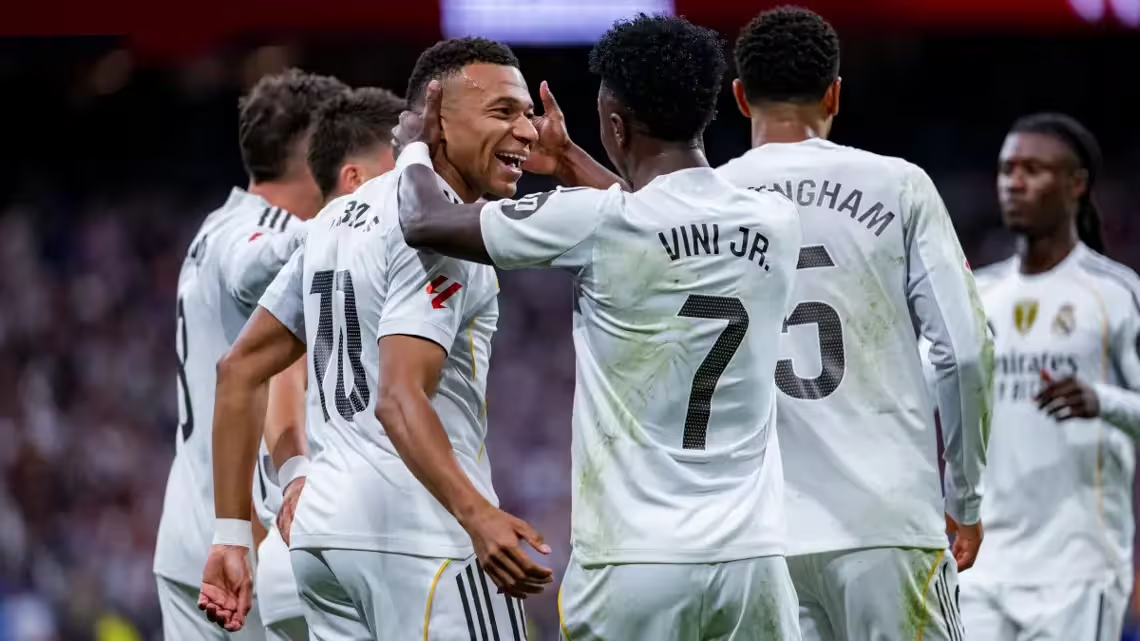
In a related moment underscoring the tension surrounding the debate, Vinícius Júnior publicly apologized for his reaction to a substitution in a recent match. The moment was seized by pundits and fans alike as emblematic of the heightened scrutiny facing players during a period of intense governance debates and high-stakes negotiations. Real Madrid noted the apology as part of the broader competitive environment, where emotions can flare amid critical discussions about the sport’s direction. The episode drew comment from teammates and coaches about maintaining focus on performance, while supporters highlighted the ongoing pressure on star players to navigate public scrutiny during turbulent times. Reuters coverage provided context on the incident.
Player reactions in a tense environment
Analysts note that such moments ripple beyond the field. They can influence public perceptions of a club’s leadership and its handling of controversy. For Vinícius, the apology was a step toward de‑escalation and a reminder that talent faces scrutiny in every decision. Clubs often use these episodes to reaffirm values and messaging during periods of dispute. Fans respond in diverse ways, with some urging patience and others heightening demands for transparency as the governance narrative unfolds. The episode became a talking point in forums and on social media as debates about the Super League and broader governance continued to evolve. Real Madrid provided official notes on the matter.
Madrid court ruling on UEFA appeals
The legal developments took a decisive turn when the regional court of Madrid reportedly dismissed appeals filed by UEFA concerning the stalled venture. Real Madrid framed this as a pivotal moment in the fight over governance authority in European football. The court’s ruling reduces, for now, potential avenues UEFA might have used to overturn or stall the project. Legal observers say the decision could influence how future appeals are handled when governing bodies challenge club-led plans. The court’s decision also raises questions about the standard of review the judiciary will apply to regulatory actions in sport, and whether this will encourage more clubs to pursue remedies through the courts. Regional court of Madrid filings will guide subsequent steps.
Judicial implications for governance disputes
Should the ruling stand, it may set a precedent on the limits of regulatory power in football. It could encourage other clubs to pursue damages or remedies when they believe governance actions harm commercial interests. Analysts warn that the case could prompt a broader reassessment of how European football handles reform initiatives and the balance between competition control and market opportunity. The outcome may affect not only Madrid but clubs across Europe seeking clearer pathways for major projects. Lawyers suggest that future disputes will hinge on damages calculations, causation, and the measurable impact of board decisions. The Guardian has followed the legal developments closely.
Implications for European football governance
The dispute casts a long shadow over how European football governs competition formats, revenue distribution, and strategic direction. If Madrid’s damages claim gains traction, it could recalibrate the power dynamics between clubs and the governing body. Supporters of reform argue that a more transparent, consultative approach benefits the sport’s long-term health and helps distribute revenue more equitably. Critics warn that litigation could undermine UEFA’s ability to enact timely reforms and risk prolonged uncertainty in major markets. In this climate, governance proposals will likely be scrutinized more intensely, and clubs may press for clearer legal remedies when decisions hurt their commercial interests. BBC Sport has contextualized how governance debates intersect with market realities.
Potential reforms and timelines
Observers expect a push toward more structured dialogue between clubs and UEFA, with potential reforms to financial fair play, revenue distribution, and project approvals. Timelines for any reform could stretch over months or years, depending on court outcomes and political dynamics within European football. The case may prompt UEFA to release more detailed impact analyses and to offer greater transparency around decision-making. For fans, the process could mean clearer messaging about how new ideas are vetted and how clubs can seek remedies when projects are blocked or altered. Stakeholders are watching closely as the governance conversation unfolds. The Guardian has published ongoing analyses on governance implications.
Potential impact on clubs and fans
The broader question is how this legal and political clash will affect clubs, leagues, and their supporters. If courts or settlements reshape the power balance, clubs might gain more leverage to pursue ambitious ventures or press for faster reforms. Conversely, UEFA could strengthen its mandate, citing stability and financial health as core justifications for its decisions. For fans, the outcome could influence how they engage with the sport’s governance and the types of competitions they are offered. The ongoing narrative emphasizes that football is both a competition and a business, where calendar shifts, broadcast rights, and sponsorship deals intersect with on-pitch performance. As the case evolves, clubs will weigh their options against the potential risks and rewards of pursuing independent projects. Real Madrid remains a focal point in this debate about the future of European football.
Fan engagement and the economics of reform
Fans are a crucial voice in governance debates. Proposals to change formats or revenue schemes can reshape schedules, match experience, and ticket prices. Clubs have to balance commercial realities with fan expectations for competitive integrity and meaningful participation in decision-making. Economically, reforms could widen or narrow the revenue gap between elite clubs and smaller teams, affecting league competitiveness. In the coming months, supporter groups will likely intensify calls for transparency, accountability, and inclusive processes that consider community concerns. As cities, sponsors, and players watch closely, the sport’s health will depend on how well governance evolves in step with market dynamics. The Guardian has highlighted fan perspectives in this evolving story.