

Subtotal $0.00


41
Peacock expands live sports coverage
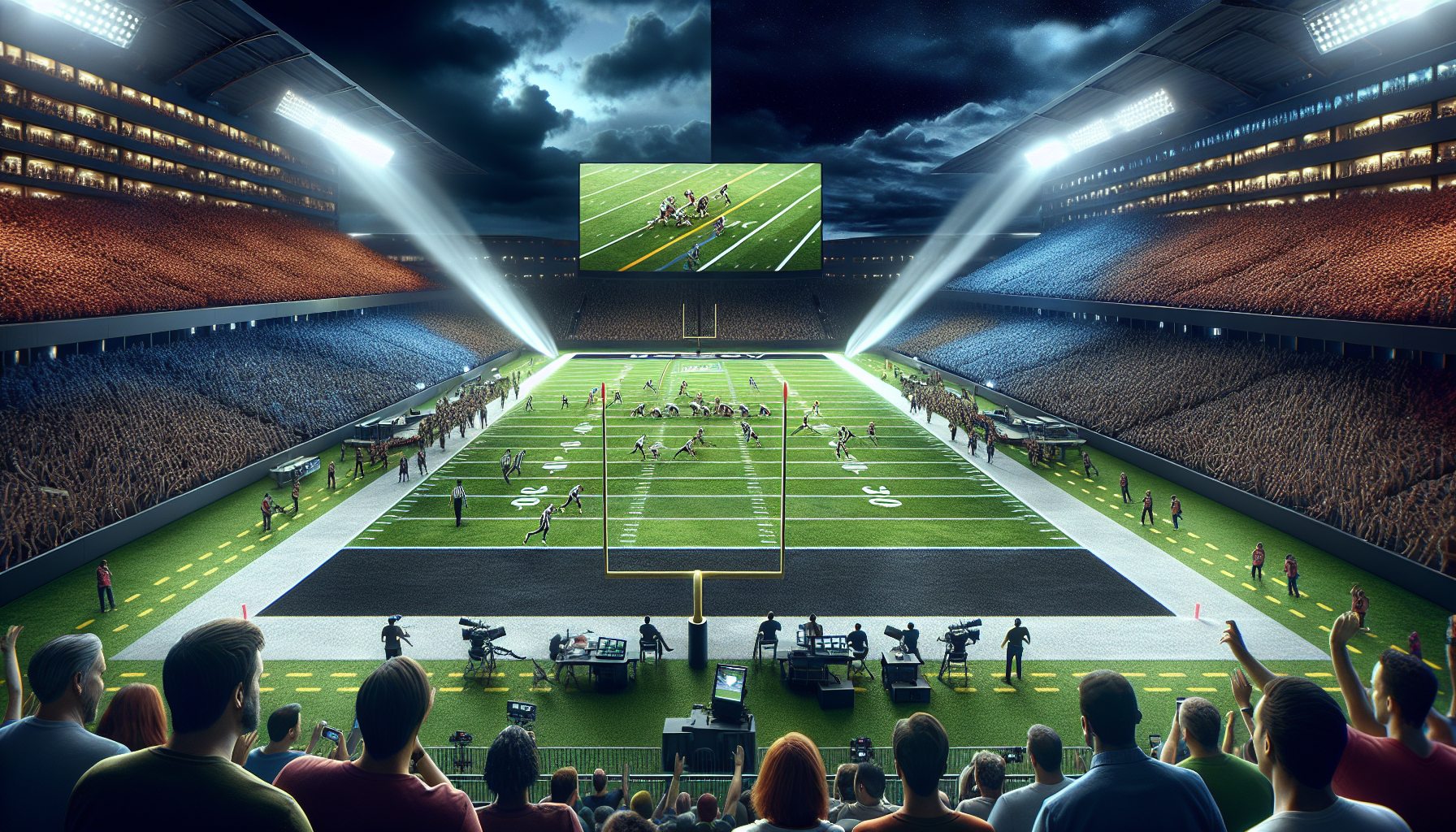
Peacock is doubling down on live sports by embracing Dolby Vision HDR and Dolby Atmos for broadcasts. This move fits NBCUniversal’s broader strategy to differentiate Peacock in a crowded streaming market where live sports drive growth. Football streaming HDR is at the core of that push. For fans, the upgrade promises brighter highlights, more accurate colors, and deeper blacks that make the action pop on crowded stadiums or night games. Viewers will notice crisper textures on uniforms and turf and smoother overlays. The result is a sharper sense of immediacy during crucial moments. The impact goes beyond good images; it helps Peacock compete for marquee matches and big leagues.
Peacock has begun aligning its technical stack to support HDR and immersive audio widely. The upgrade relies on Dolby Vision for dynamic range and Dolby Atmos for sound. Users with compatible TVs and sound systems will enjoy more lifelike broadcasts. For fans curious to learn more, visit the official Peacock page at peacocktv.com. Dolby’s overview pages explain how Vision and Atmos work in tandem, while NBCUniversal’s announcements frame the upgrade as part of a broader push to elevate football coverage. This Football streaming HDR-enabled upgrade signals a strategic shift in how Peacock competes in the streaming era with top-tier live sports.
Dolby Vision HDR enhances viewing
Dolby Vision HDR brings a step-change in dynamic range, color accuracy, and contrast that matters for football. In live matches, you can see the texture of the pitch, the fabric weave in the kit, and subtle lighting changes during overlays. HDR helps fast action stay sharp, especially under stadium lighting, camera cuts, and broadcast overlays. Football streaming HDR becomes more faithful to real life, letting viewers spot ball trajectories and defender positioning with greater ease. The result is a premium feel that elevates the entire viewing experience and keeps fans glued to the screen, even during rapid sequences.
Beyond bright highlights, HDR improves shadows and mid-tones, adding depth to nighttime games and reducing bloom around bright logos. For football broadcasts, this means more nuance in skin tones, more texture in turf, and truer whites on kits. Content delivered with Dolby Vision HDR can be clearer during reflective surfaces and artificial lights, preserving detail during quick replays. The technology supports a more immersive, football streaming HDR experience that resonates with both casual viewers and die-hard fans alike. For a deeper dive into the tech, see Dolby Vision HDR and its role in sports streaming.
Dolby Atmos creates immersive sound
Dolby Atmos adds layers of sound and precise spatial cues to live football. In stadium broadcasts, crowd roars, on-field impacts, and bench chatter flow with a sense of space and height. For fans listening on home systems, Atmos makes audio feel three-dimensional, aligning with what the eyes see on screen. When a goal arrives or a key tackle unfolds, the audio cues come from the correct direction, distance, and height. Paired with Football streaming HDR video, Atmos helps deliver a premium, cinema-like experience from your living room. Make sure your audio setup supports Atmos for the fullest effect.
Developers and broadcasters can optimize mixes to maximize Atmos without overwhelming the soundtrack. The aim is clarity and realism, not loudness for its own sake. This upgrade is part of a broader trend where presentation quality differentiates streaming platforms with major sports rights. Fans benefit by getting closer to the action from home. For more on the tech, explore Dolby Atmos pages and Peacock’s announcements about live sports enhancements.
Impact on football broadcasts
The shift to Dolby Vision HDR and Atmos signals a real change in how football broadcasts are produced and consumed. Live sports are a key driver for subscribers, and presentation quality has become part of the competitive equation. Viewers report more engaging highlights and a stronger sense of stakes during late-game drama. For broadcasters, HDR can reduce perceived lag between the action and the replay, while Atmos heightens the stadium feel. The combination also pushes leagues and rights holders to demand higher production standards as streaming-first distribution grows. This shift could set a new baseline for how football is packaged online and accessed by fans around the world.
There are commercial implications as well. Higher fidelity video and audio justify premium bundles and sponsorship opportunities around enhanced broadcasts. In addition, better presentation helps Peacock retain subscribers and compete with other platforms racing to offer top-tier sports experiences. Industry players will watch how leagues respond, potentially speeding up adaptation across platforms. For fans, it means more compelling match nights, more access to classic games, and smoother streaming-first coverage of football. Ongoing industry updates on streaming sports adoption provide broader context for this transition.
Strategic implications for streaming platforms
Peacock’s HDR and Atmos push reflects a broader strategy: win viewers through premium presentation. In a crowded streaming market, live sports are a critical differentiator, and high-fidelity football broadcasts can drive engagement and reduce churn. As more leagues explore streaming-first rights, platforms must invest in color pipelines, audio workflows, and device compatibility. The Football streaming HDR standard becomes a competitive asset, shaping both production and marketing. Platforms will need to balance cost with value, ensuring improvements translate into subscriber growth and longer viewing sessions. This trend also opens new partnership opportunities and sponsorship integrations around enhanced broadcast quality.
Finally, the move invites other services to raise their game. Competition now extends beyond rights fees to delivery quality. By adopting HDR and immersive audio, streaming platforms set a benchmark for picture and sound in football coverage. Viewers enjoy a more cinematic feel without leaving home. For future developments, follow official press releases and market analyses, plus direct sources from Dolby and NBCUniversal. This evolution marks a milestone in Football streaming HDR and the ongoing streaming wars.