
Subtotal $0.00


62
First leg ends goalless at Neo Química Arena
The opening 90 minutes of the Copa do Brasil final produced a tight, scoreless draw as Corinthians hosted Vasco da Gama at Neo Química Arena. This was a cautious, highly structured encounter where both teams prioritized a solid defensive base and disciplined positioning over risky attacking bursts. Midfield battles dictated the pace, while backlines pressed high to deny space, making clean chances hard to come by. The atmosphere reflected the gravity of the moment: a final that rewards patience as much as prowess. Goalkeepers responded with crucial saves, each denying a breakthrough that could tilt the tie before the second leg. In a match defined by restraint, the Copa do Brasil final showed that prudence can coexist with championship intent. CBF coverage echoed the sense that control would matter more than tempo in this phase.
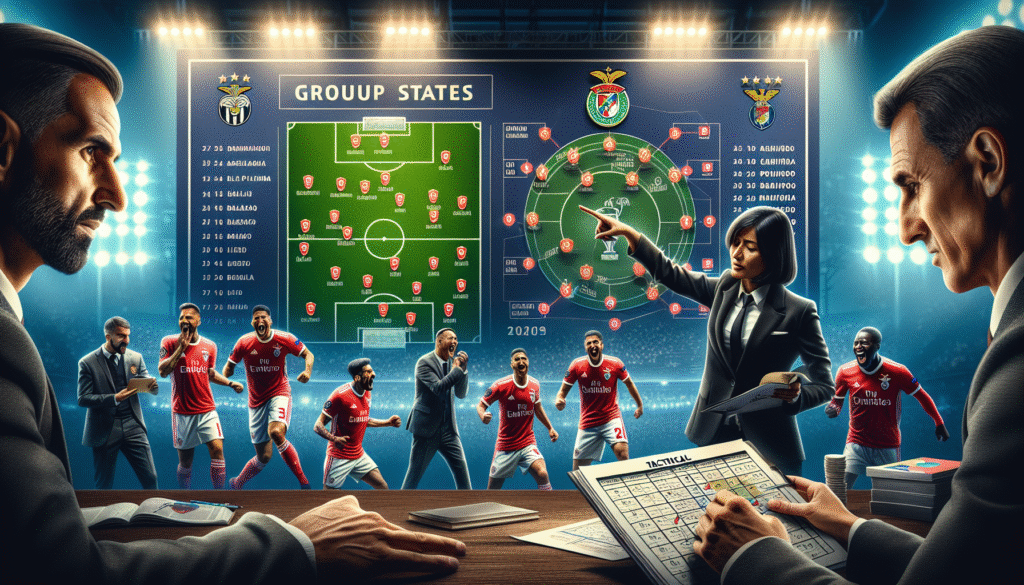
Corinthians sought to impose tempo through pressing and quick transitions, aiming to pinch a goal by forcing Vasco’s buildup into errors. Vasco capitalised on counter-attacking moments, seeking to exploit spaces behind the line and punish any lapse in the press. The tactical duel highlighted stamina, spacing, and game management as the defining currencies of the evening. As the first leg ends, neither side holds a clear aggregate advantage, leaving everything to play for in the return encounter. Coaches will study variables from this bout to craft adjustments in pressing intensity, line spacing, or personnel to translate control into a favorable result in the next 90 minutes. For audience insight, see reports from Globo Esporte and team pages such as Corinthians and Vasco.
Two-legged final sets up dramatic return leg
Two-legged finals in Brazil always carry extra tension, and the Copa do Brasil final between Corinthians and Vasco da Gama is no exception. With the first leg drawn, the return leg promises a different tempo and strategic approach, as both sides chase a decisive win while mindful of the aggregate score. Home advantage could shape initial tempo, but the objective remains constant: seize control early, then sustain it through the later stages. Coaches will examine pressing triggers, keeper angles, and how quickly teams re-enter the opponent’s half after losing possession, aiming to translate fresh energy into a meaningful lead. The second leg looms as a true test of nerve and depth, where experience in knockout football often tips the balance.
Expect tactical shifts that reflect the lessons from the first leg. Corinthians might mix intensity with measured possession to constrain Vasco’s counters, while Vasco could lean into smart transitions and compact blocks to frustrate the home side’s rhythm. The drama of a two-legged final lies in balance—one goal can swing momentum, and a single lapse can decide the tie. As fans anticipate a more open and consequential second leg, clubs will recalibrate pressing timelines, spacing, and personnel to convert momentum into a favorable result. For ongoing coverage, check club updates and match previews on official portals and trusted outlets such as CBF and Globo Esporte.
Defensive duel defines the match
Defensive discipline defined this opening act of the Copa do Brasil final. Both teams anchored their structures, with tight lines and compact midfields reducing gaps that attackers could exploit. Corinthians relied on rapid recoveries and disciplined pressing to deny Vasco space in the half-spaces, while Vasco’s backline absorbed pressure and looked to funnel breaks into quick counter-attacks. The result was a match decided more by positioning than by individual moments of flair, underscoring how small margins decide ties of such magnitude. Each side demonstrated how tactical stewardship and physical endurance can neutralize aggression, turning what could have been open play into a chess match where every move mattered.
Over 90 minutes, the duel of halves showcased how a Copa do Brasil final rewards teams that manage transitions efficiently. The stalemate illustrated that a clean sheet remains precious in a two-legged framework, and coaches will value the ability to adapt when a shift in tempo or space occurs. Expect both sides to refine their compact blocks and pressing triggers as the tie progresses, turning defensive strength into a launching pad for a decisive moment. For deeper analysis, fans can compare notes from Corinthians and Vasco communications and post-match comments, which often reveal the micro-tactics that shaped the outcome.
Key saves and near-misses shape the result
Crucial saves and near-misses defined the first leg, with keepers ensuring the scoreboard stayed blank and the tie remained alive. Each side produced moments where a single touch, a steadfast jump, or a fingertip save could alter the trajectory of the Copa do Brasil final. These stops informed coaches’ assessment of who controls tempo and where to target bets for the second leg. When a goalkeeper stays alert and a striker misreads a half-chance, the psychological edge shifts, subtly affecting decisions in subsequent phases. The value of such moments extends beyond the stadium, translating into confidence interior the locker rooms and on the training pitch.
From a broader view, the first leg’s key saves reinforced the importance of discipline in the defensive phase and the reliability of shot-stopping under pressure. They also highlighted the need for attackers to sharpen their finishing under duress. As the teams prepare for the return encounter, expect both sides to optimize set-piece routines and to press with renewed accuracy in order to convert these sharp moments into tangible goals. For readers seeking a closer look at the saves, see game reports from respected outlets like Globo Esporte and in-depth recaps on CBF.
Second leg: tactical shifts and expectations
The second leg of the Copa do Brasil final will be a crucible for tactical experimentation. After 90 minutes of measured tempo, coaches will likely introduce more aggressive pressing schemes, altered spacing between lines, and fresh legs to sustain intensity in the later stages. Expect adjustments in how each side absorbs pressure and how quickly they pivot from defense to attack after regaining possession. The anticipation of a decisive result can drive risk-taking, but experienced managers will balance ambition with structural solidity, aiming to protect a lead or chase parity without overextending.
As the tie heads to its climax, the focus will remain on two core themes: control of transitions and the ability to convert opportunities into goals. If one team can seize an early initiative, the psychological equation shifts rapidly, making the remaining minutes a test of nerve and execution. For fans looking for real-time context, follow official team channels and major outlets such as CBF, Corinthians, and Vasco as the narrative continues to unfold in the Copa do Brasil final.