
Subtotal $0.00


38
Champions League 2025-26 Power Rankings
Group-stage results define the frame. The Champions League power rankings shift as the knockout phase begins. Twenty-four teams have earned a place in the next round. Depth, fitness, and momentum now decide ties. Benfica’s rise into the top 24 adds a fresh thread to the narrative. Mourinho’s tactical imprint reshapes the field as well. The bracket will test every club’s planning and execution. UEFA’s official standings and trusted outlets provide the data backbone for this piece. The aim is a clear view of momentum, strength, and strategy entering the two-legged stage.
Momentum matters more than ever in knockout rounds. Seeds carry confidence, but upsets remain common. Benfica’s ascent tests the hierarchy and signals potential disturbances in the bracket. Mourinho’s approach—defensive solidity with efficient transitions—gives his team a reliable blueprint. The coming weeks will test teams’ depth and decision-making. Two-legged games demand smart rotation and precise execution. Expect tight battles, late goals, and dramatic finishes. For context, UEFA’s format pages offer detailed guidance, while outlets like CBS Sports provide supplementary analysis. The landscape is fluid, and adaptability wins championships.
Benfica’s Rise Into the Top 24
Benfica capitalized on cohesion built across seasons. They improved defensive organization, reduced misreads, and sharpened their pressing transitions. The result was fewer goals conceded and more dangerous chances created from quick transitions. Their forward line found form at the right times, and the midfield trio controlled tempo. The tactical shift sounded simple: compact lines, swift re-entries, and smarter ball circulation. The coaching staff deserves credit for aligning the squad’s capabilities with their pressing intensity. Benfica’s climb into the top 24 reflects not a lucky run but a deliberate, multi-phase plan that matured under pressure. This ascent matters beyond one season. It signals a new degree of seriousness about Europe. Benfica’s project is now a credible force.
Key fixtures in the group phase produced decisive wins that fed belief. Benfica demonstrated resilience when results were tight. The team showed quality in set-piece routines and in breaking lines through the middle. The goalkeeper delivered crucial saves, and the defense blocked dangerous crosses. The squad’s depth allowed repeated attacking cycles without losing structure. Such balance makes Benfica a genuine threat in the knockout rounds. If they maintain rhythm and avoid injuries, the club could push deep into spring. The climb also shifts perceptions around Portugal’s domestic power and Europe’s mid-tier, reminding observers that glory remains possible for ambitious clubs.
Mourinho’s Tactical Impact
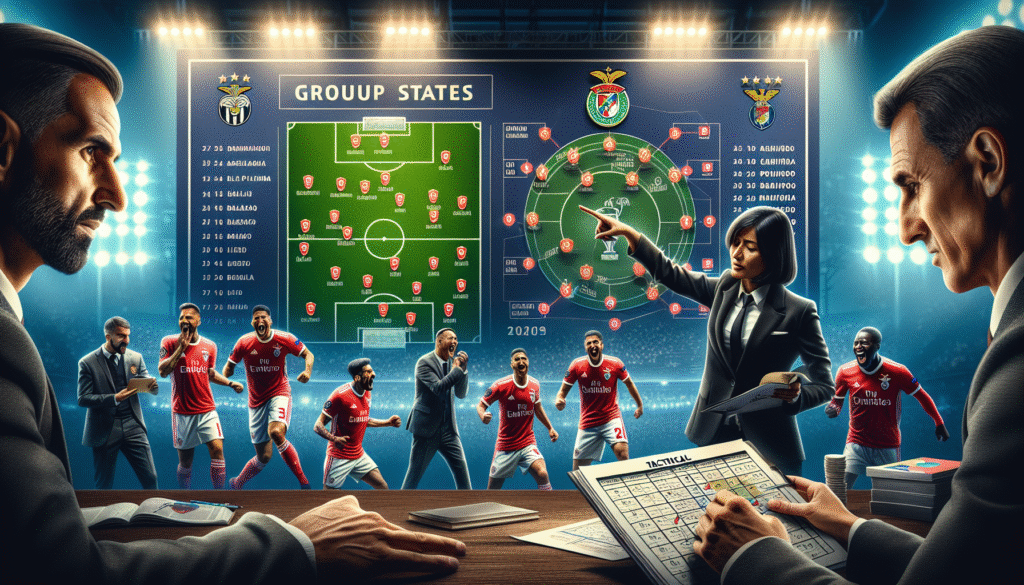
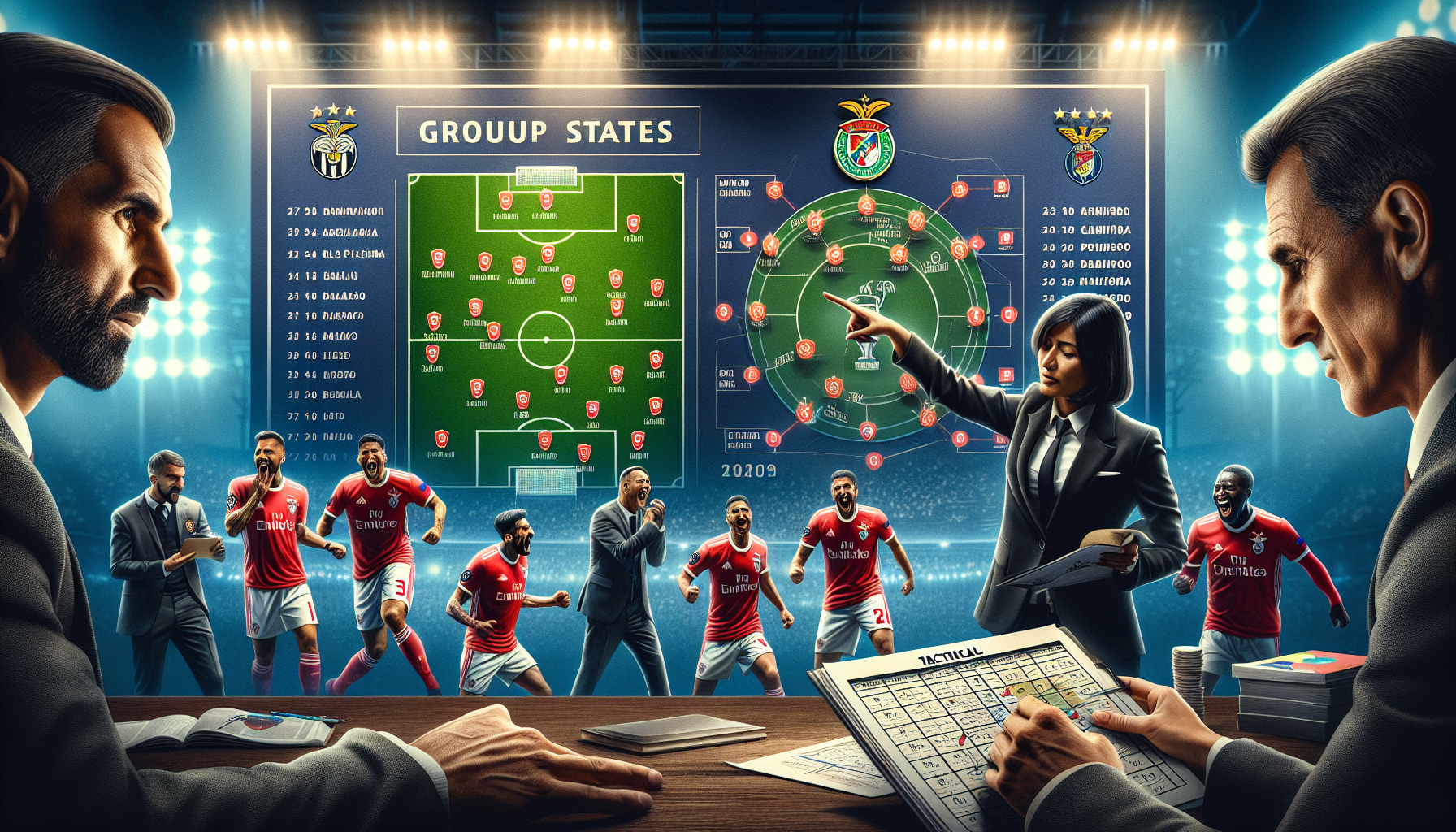
Mourinho’s tactical imprint is visible in every facet of his team’s play. A compact defensive block reduces space for opponents. Midfield pressing disrupts the build-up and buys time for counter-attacks. In attack, the team relies on efficient transitions, quick switches of play, and clear finishing movements. This approach makes them stubborn in two-legged fixtures. The manager’s experience helps anticipate rivals and tailor plans to specific opponents. The result is patience, discipline, and reliability in decisive games. Critics question pace and risk, but the structure often wins where quality alone falters.
Rotation and readiness define the squad strategy. Mourinho balances energy and risk by rotating in midfield and keeping depth for knockouts. He studies opponents meticulously, identifying weaknesses and planning set-piece routines. Player leadership and psychological resilience also grow under his instruction. The consequences are improved execution in tight situations. The spine of his system holds under pressure. That steadiness matters when fatigue rises in the second half of ties. Expect Mourinho’s methods to continue shaping rounds ahead as the bracket narrows. UEFA analyses reinforce the view that tactics decide outcomes as much as talent.
Knockout Stage Preview
Two-legged ties intensify pressure and create balance shifts. Seeding matters, as the top eight seeds carry advantages. Benfica’s placement in the top tier affects potential matchups, including hosting advantages. Home-field dynamics, travel schedules, and injury management will influence outcomes. Coaches prioritize rotation to preserve energy while keeping freshness for decisive games. Tactical plans hinge on the opponent’s style and on aggregate goals. The draw can spark narratives with teams adjusting defensive lines and pressing triggers to control tempo. Expect issues around fixture congestion and weather conditions to make a difference in late goals.
Early tests will reveal how teams balance caution and ambition. Some ties start tight, with possession and patience. Others tilt toward aggressive pressing to force mistakes. The Mourinho-Benfica dynamic adds intrigue, as coaches weigh how to counter each other’s strengths. The bracket rewards teams that keep flexibility in their tactics, from compact counters to high-pressing schemes. Look for injury updates and squad depth to play a central role in deciding the second legs. The knockout stage promises smart game plans and moments of individual brilliance that can shift the balance in a heartbeat.
Implications for Contenders
Contenders must translate momentum into two-legged success. The current top eight seeds hold favorable positioning, but nothing is guaranteed. Injuries, fatigue, and suspensions can derail even the strongest teams. Benfica’s climb shows a path to a deep run with proper preparation. The biggest challenges come from balancing domestic duties with Europe’s toughest stage. Teams invest in depth, rotation, and mental readiness to cope with the schedule. Tactical versatility matters as much as star power. The season remains wide open, offering room for surprises and dramatic comebacks. A blend of discipline, timing, and pressure handling will decide fate in spring.
Looking ahead, home-field advantages, set-piece proficiency, and defending resilience could decide ties. The bracket may open doors for unexpected candidates if they refine pressing patterns and stay composed. Fans should expect dramatic twists as teams chase glory while guarding margins. The pursuit of the title remains intense, and the path demands precise execution and urgent adaptability. The ongoing evolution of the Champions League power rankings makes the knockout rounds a stage for strategic brilliance and resolve.