
Subtotal $0.00


55
Match context
Setting the scene
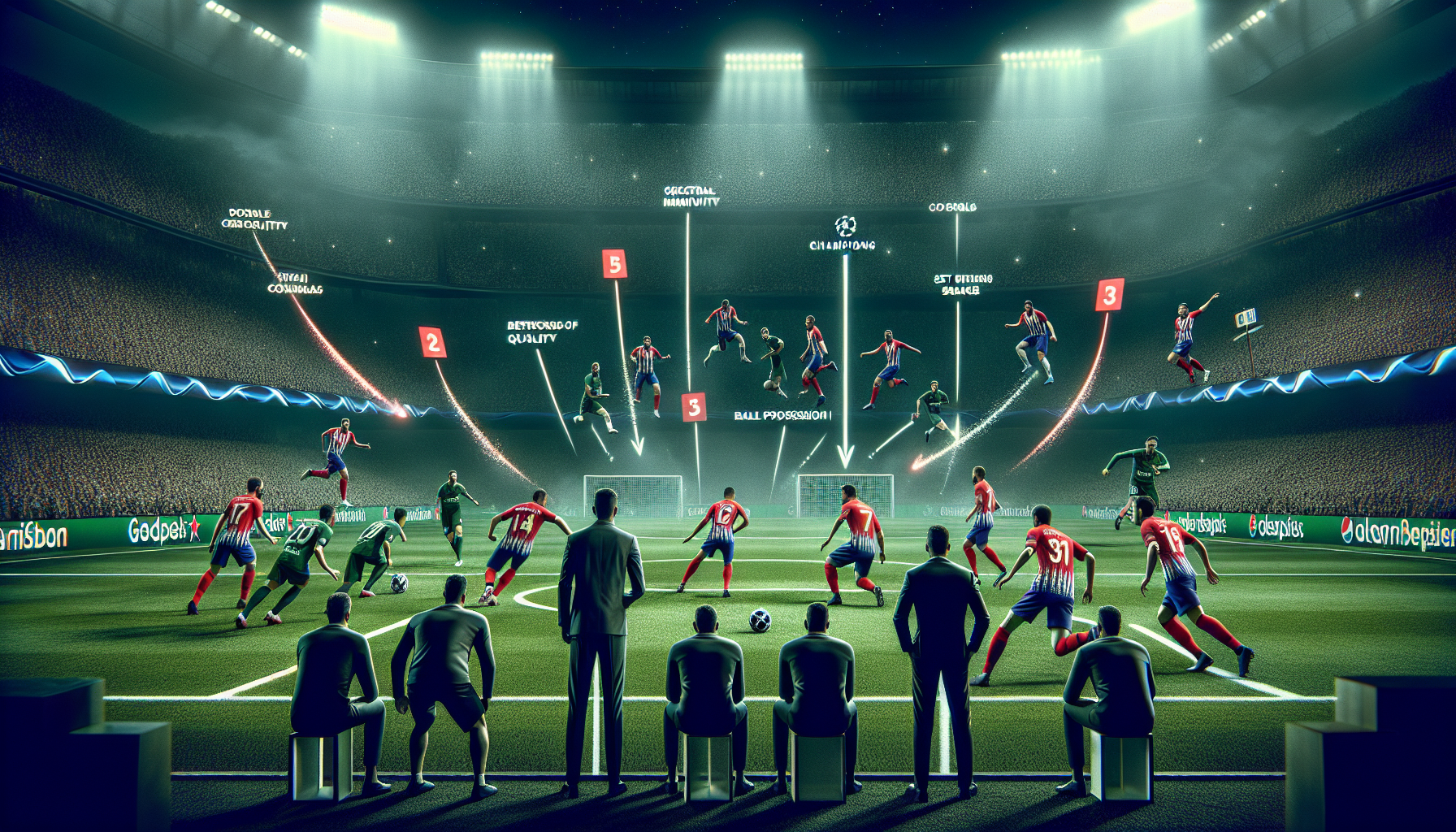
Atlético Madrid Champions League struggles have resurfaced on a night that felt familiar for Madrid’s fans. Bodø/Glimt arrived with speed and direct intent, testing the defenders from the first whistle. They pressed high and hunted second balls. Atlético controlled the ball but failed to create clear chances. When Bodø/Glimt broke, they punished mistakes in transition. The visitors exploited gaps in a compact defense. Madrid’s mood reflected a club at a crossroads. The European ceiling of this side does not match its past. This is a reminder that even in a season of relative stability, margins matter. For Atlético, the night raised a simple fact: top European nights demand more than patience and possession alone.
From kickoff, Bodø/Glimt’s rhythm unsettled Atlético. The visitors’ pace on the flanks created mismatches the backline struggled to close. Atlético enjoyed long passages of possession but lacked a sharp final pass or a defining run. The opening goal arrived after a turnover in midfield, followed by swift, direct play that cut through the defence. As the game wore on, the pattern repeated: controlled possession for Atlético, piercing breaks from Bodø/Glimt, and clinical finishing that punished any lapse. In that context, Simeone faced a familiar challenge: how to translate dominance into decisive moments against teams willing to gamble and counter quickly. The night left him with more questions than certainties about the immediate road ahead.
Defensive fragilities exposed by Bodø/Glimt
Backline vulnerabilities and transition traps
The most glaring theme was defensive fragility. Bodø/Glimt’s swift attackers exploited high lines and space behind the full-backs. Atlético’s zonal structure sometimes left room for runners between centre-backs and the wing-backs. When the ball dropped in the box or on the edge of the area, the finishing was precise and clinical. The exposure was not systemic collapse but recurring gaps that reappeared when pressure grew. A compact, organized night for the defence would have required perfect communication and sharper decision‑making. Instead, misreads and delayed presses allowed quick counters to flourish. The result was a map of vulnerabilities that future opponents could replicate with similar speed and intent.
The second issue lay in the counting of defensive responsibilities during transitions. Bodø/Glimt never allowed Atlético to settle into one rhythm; every recovery turn was a fresh test. The backline sometimes showed good organisation, but a niche error or a momentary misalignment proved costly. For a team that prides itself on discipline, such lapses are dangerous, especially when the level of competition requires instantaneous reactions. The blueprint is clear: if Atlético wants to become fearsome again in Europe, it must tighten the gaps that opponents already exploited. The coaching staff will need to consider whether adjustments in personnel or line shape could lessen exposure to pace over the top and in behind the last line.
Midfield and attack analysis
Control without clarity in the final third
Midfield balance emerged as another talking point. Atlético dominated possession but sometimes lost tempo in the final third. The ball moved laterally with patience, yet the decisive ball rarely arrived at a willing runner or a cutting pass into dangerous zones. In part, Bodø/Glimt’s compact mid block forced longer switch plays, which slowed the tempo and reduced the threat. The result was a series of patient, controlled spells that failed to convert into meaningful chances. When a breakthrough finally appeared, it often came from a transition rather than a sustained, patient buildup. This is a cautionary note for Simeone: the team needs sharper ball progression from midfield to front and more immediacy in the box when the opportunity presents itself.
On the flanks, the wingers and forwards found space intermittently but were unable to unlock a stubborn compact defence consistently. The finishing touch remained the missing piece—clinical finishing or a decisive, unstoppable dribble into the box. Set-pieces yielded limited advantage, reinforcing the sense that the key to breaking European barriers lies in creating and converting high-quality chances rather than simply retaining the ball. These are the kinds of details that separate a team that merely progresses from one that conquers. As the campaign unfolds, the onus falls on the midfield and attackers to tune their connection and efficiency in the most demanding moments.
Knockout stage implications
Standings, pressure, and the path forward
The immediate question is how the result redefines Atlético’s knockout-stage hopes. The group remains open, but the path is steeper. A single slip in the coming fixtures could prove costly, and the field of contenders in Europe’s top tier will not concede easily. The mathematics may still favour Simeone’s side if they right the balance and seize their moments in the remaining games, yet the margin for error shrinks with each setback. The squad will need both resilience and adaptability to navigate a schedule that pits them against some of Europe’s best teams. The Bodø/Glimt result is a reminder that even teams with traditional domestic strength must evolve to contend in Europe’s brutal knockout rounds. Momentum, confidence, and tactical clarity will be crucial in the weeks ahead.
From a scouting and recruitment perspective, the setback may intensify the debate about how much upgrade is required in defensive organization, midfield progression, and frontline efficiency. In the short term, the focus should be on stabilising the back four, sharpening the press, and ensuring that the final third produces consistent quality. Some voices are calling for a more nuanced approach to ball progression, including alternative midfield shapes or a more flexible attacking system that can attack gaps with speed and precision. As the tension builds, the team’s identity will be tested in European nights that demand not only heart but a high level of technical execution and a willingness to adapt mid-game. For now, the knockout-stage question remains: can Atlético transform this moment into a turning point, or will it become a painful reminder of Europe’s unforgiving nature?
Road ahead for Atlético
Reassessing balance, personnel, and plan
Looking ahead, the road for Atlético is about recalibration. Simeone’s challenge is to restore the balance between a disciplined defense and an attack capable of delivering sharp, decisive moments. The likely avenues involve both personnel and tactical tweaks. A stronger backline could reduce exposure to pace on the counter, while a more nuanced midfield transition could improve ball progression into the final third. Additionally, the club might explore options to unlock compact midfields more effectively, perhaps through different off-ball movements, runners from wide areas, or a more dynamic front line that can bend and shift during phases of play.
On the tactical front, there is merit in considering modest shifts in shape rather than wholesale changes. A change like a deeper midfielder providing safer progression or a winger with a better diagonal run into the box could loosen tight midfields. However, any adjustment must preserve the team’s core identity: disciplined organization, relentless work rate, and a belief that time and space will come in Europe’s biggest nights. The next fixtures will test whether this Atlético side can reassert its status among Europe’s elite or if it remains a team on the cusp of a revival. The European narrative around Atlético Madrid Champions League struggles will continue to evolve as they respond to the challenge with urgency and clarity. For further context on the competition, you can read more from UEFA Champions League, and catch ongoing coverage on BBC Sport.