
Subtotal $0.00



72
Match context and stakes
The AFCON Nigeria Tunisia clash is back in the spotlight as Group C’s top two go head-to-head in Fès. The stakes go beyond three points; the winner will gain early momentum and command the psychological tempo for the rest of the campaign. In a group with two powerhouse nations, every action counts. A positive result could set the tone for knockout qualification and frame the narrative around the tournament for both teams. The atmosphere in the Moroccan city adds intensity, with supporters ready to sing and celebrate. Coaches emphasise resilience, tactical discipline, and execution from the first whistle.
Historically, Nigeria and Tunisia have met in high-pressure AFCON environments, producing tight, tense affairs that test nerves as much as technique. Nigeria’s speed on the break has often punished conservative Tunisian blocks, while Tunisia has thrived by soaking pressure and striking on the counter. Form in the run-up to this game hints at a balanced equation: both teams carry depth in attack, quality on the wings, and midfielders capable of dictating tempo. The outcome may come down to small margins—a moment of magic, a slip at a set-piece, or a tactical switch that tilts the balance in the final 20 minutes. That dynamic fuels the hype around AFCON Nigeria Tunisia clash. CAF provides official context on Group C standings and qualification routes.
Stakes for Group C and knockout prospects
The stakes extend beyond three points. A victory would place the winner in a commanding position to seal a top-two finish and secure a favorable route to the knockout rounds. For Nigeria or Tunisia, momentum matters as the calendar tightens and fatigue grows across fixtures. A draw, while respectable, would hardly kill ambitions, but it would place extra pressure on subsequent matches where every goal matters and goal difference could decide tiebreakers. The tactical chess on display will be as important as the goals themselves, and the early exchanges could set the tempo for the rest of the group. For readers seeking deeper analysis, see BBC Sport.
Fans will monitor how each team manages pressure, the adjustments coaches implement at halftime, and the ability to adapt to a fast tempo. The result here will shape Group C dynamics and influence the approach for the remaining fixtures as AFCON moves toward the knockout rounds. The match could also determine which side carries momentum into the continental stage, where pressure tightens and every point becomes precious.
Teams and key players to watch
Nigeria’s pace and players to watch
Nigeria will lean on pace on the flanks and rapid transitions to destabilize Tunisia. A dynamic frontline will look to stretch the Tunisian back line, create overloads on the wings, and cut inside for decisive moments. The full-backs must provide width without compromising balance, allowing the central midfield to shield the back four while feeding attackers with quick, accurate balls. In attack, Samuel Chukwueze’s creativity and movement can unlock tight blocks, while Victor Osimhen’s presence gives a central focal point and sharp finishing. Midfielders like Frank Onyeka will be tasked with regaining possession and feeding fast breaks with crisp distribution. For fans following official squad updates, the Nigeria Football Federation (NFF) channel offers timely reports.
Tunisia’s key operators
Tunisia will lean on a blend of technical brilliance and disciplined structure. Youssef Msakni’s creativity and pace can dismantle a high line and create chances out of nothing, while Aïssa Laïdouni’s progressions from midfield will link defence to attack and feed runners with thoughtful passes. The Tunisian forward line will look to exploit any space created by Nigerian wing play, aiming to strike on counter-attacks or from well-placed set-pieces. The defense must stay compact and organized, denying space in front of the box and forcing Nigeria to beat them with quality in limited opportunities. Tunisia’s plan hinges on patient build-up, efficient ball control, and rapid transitions when the moment arises.
Tactical setups and game plans
Nigeria’s high-press and fast transitions
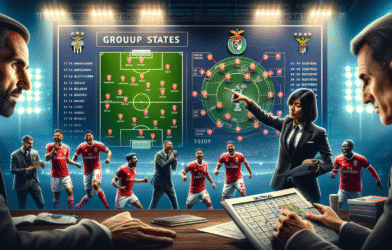
Nigeria are expected to press higher up the pitch and force turnovers in Tunisia’s half. The approach will rely on speed in wide areas and rapid counter-attacks. A compact shape in midfield will help win the ball back quickly and drive forward in numbers. Nigeria will look to stretch the field, create overloads on the flanks, and deliver crosses or cutbacks for the strikers. The aim is to capitalize on transitions before Tunisia can reorganise their defense. Maintaining discipline in the final third will be crucial to avoid wasteful shots or turnovers in dangerous positions. For tactical insights, see BBC Sport.
Tunisia’s defensive discipline and countering threat
Tunisia will likely set up in a compact 4-3-3/4-4-2 shape, depending on personnel. The plan is to absorb pressure, close down spaces, and strike on the break when the moment arises. They will rely on a strong block to frustrate Nigeria’s pace and to exploit missteps with fast counter-attacks. Tunisian set-pieces could also become important scoring chances if Nigeria commits many players forward. The midfielders will need to press decisively and cut passing lanes to disrupt the tempo. With careful positioning and swift transitions, Tunisia can exploit any high line or gaps as Nigeria pushes forward to seek an early breakthrough.
Coaches’ perspectives
Nigerian coach’s outlook
The Nigerian coach emphasises resilience and the necessity to exploit pace. He underlines that AFCON Nigeria Tunisia clash requires patience, precise execution, and disciplined defensive work. He urges players to stay compact in midfield and not concede space that Tunisia can use to launch counters. The emphasis is on intensity and consistency across 90 minutes. He also highlights the importance of match fitness and focus during the opening exchanges, noting that early pressure can set the tone for the rest of the match. The approach is proactive, but calculated, with attention to maintaining balance between attack and defence. Official updates can be found on NFF.
Tunisian coach’s approach
Tunisia’s coach stresses a patient defensive shape and a ruthless counter game. He notes that AFCON Nigeria Tunisia clash requires discipline, poise under pressure, and strong finishing on moments that arise from quick breaks. The coach points to the need for efficient build-up play, controlled tempo, and improved set-piece execution. He cautions that Nigeria’s pace can create chaos if not contained and that the team must stay compact in defence. Confidence in the squad’s breadth of options is high, with midfielders and forwards capable of changing the rhythm of the game.
Venue, atmosphere, and implications for knockout rounds
Fès, fans, and a tournament-stage atmosphere
Fès’s stadium hosts a match that radiates history and fervour. The atmosphere is expected to be electric as fans sing, chant, and cheer their teams. Local supporters add texture to the ambience with banners and colour, while visiting fans create a vibrant cross-border clash. The matchday experience is about more than football; it is a celebration of African football heritage. Fans will observe the tactical study of both teams and the players’ willingness to take risks in pursuit of victory. For live updates, outlets like BBC Sport offer ball-by-ball coverage.
Implications for knockout rounds and group dynamics
The result will ripple through Group C. A win could place the victor on the brink of a top-two finish and reduce pressure on the remaining games. A loss would complicate the path to the knockout rounds and require a strong performance in subsequent fixtures. A draw would maintain balance but intensify the chase for qualification and direct encounters with rivals. The tactical narratives, player performances, and bench options will all receive renewed scrutiny. As AFCON continues, this fixture will be referenced as a turning point for the group and a reminder of why the competition remains uniquely competitive. For more context on knockout stage qualification rules, see CAF.