
Subtotal $0.00


96
Ticket price controversy for the 2026 World Cup
The topic of World Cup ticket prices has dominated chatter around the 2026 FIFA World Cup. Fans describe the asking prices as extortionate and out of reach for many households. Yet the strongest argument here is that the sticker price is not the true bottleneck to broad-based participation. The real friction emerges as tickets move through complicated markets, shaping who can attend and at what total cost. The United States market combines dynamic pricing with bundled offers, a feverish secondary market, and a supply of seats that can spiral beyond face value once tickets hit resale channels. For those planning trips, travel, lodging, and meals compound the base price of attendance. So, while price perceptions matter, meaningful reforms must address the full cost of attending the World Cup, not just the nominal World Cup ticket prices.
Official sources emphasize transparency; independent analysts point to resale dynamics as the real amplifier of costs. See FIFA’s ticketing page for official information, and note that market analysis highlights how resale liquidity affects final prices. See FIFA World Cup tickets and The Guardian’s World Cup coverage.
Why price talk dominates headlines
Price talk dominates because headlines chase the loudest numbers. Yet the larger obstacle is not simply the sticker price. In the United States, a dynamic pricing model and a crowded resale market can push final costs well above official levels. Families, students, and fans from lower-income brackets often face a double squeeze: the base ticket price plus travel, lodging, and meals. Even with lower nominal prices, if liquidity is thin or access is unfair, ordinary supporters stay on the sidelines. The goal should be to align value with accessibility, ensuring the World Cup experience remains inclusive rather than a rarefied spectacle.
The resale market and scalping dynamics
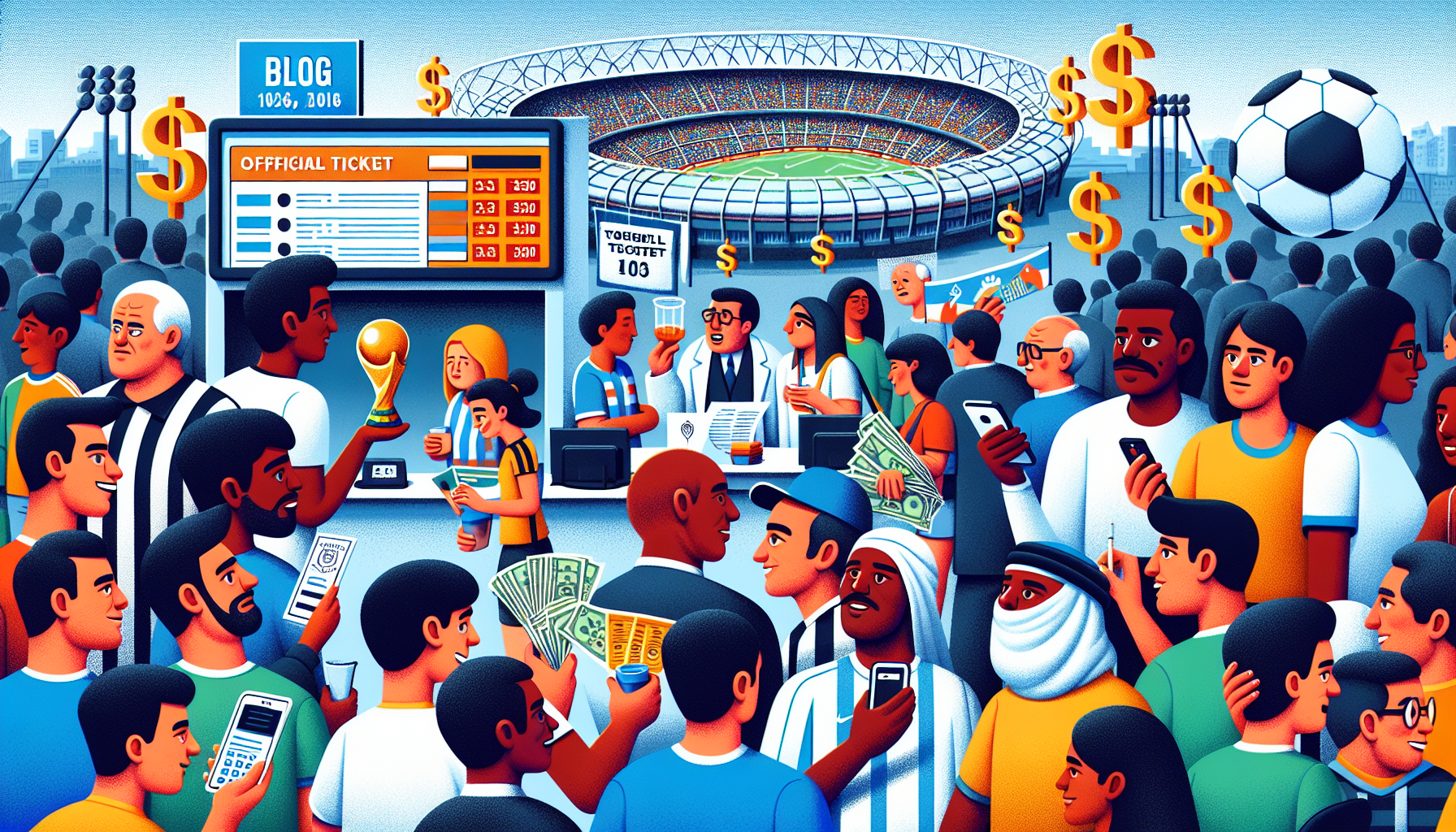
The resale market has become the shadow economy of World Cup ticket prices. After tickets move through official channels, brokers, scalpers, and opportunistic sellers surface in the secondary market. In the United States, dynamic pricing and the ubiquity of resale platforms can magnify prices beyond face value, transforming a sought-after ticket into a competitive bid item. This isn’t solely about greed; it’s a function of supply constraints, uneven regional demand, and the traffic of fans chasing a once-in-a-lifetime moment. For many fans, the experience is priced out not just by the ticket but by the cascading costs of travel, hotels, and parking. The total cost can exceed what families budget and what youth programs can justify. In short, the market’s liquidity determines the real price of entry, beyond the posted face value.
Secondary market dynamics and policy gaps
Secondary markets operate with limited transparency and uneven enforcement. Without clear caps on resale fees and a robust, official resale channel, buyers risk paying inflated prices or receiving misrepresented seats. This is more than a minor irritation; it reshapes perceived value and can erode the fan experience. Policy makers can close gaps by insisting on transparent pricing, standardized seat blocks, and reliable seating maps. Official resale platforms, with vetted listings and fair-fee structures, can reduce the incentive to turn tickets into scalper profit. If the resale ecosystem remains opaque, price perceptions will continue to distort World Cup ticket prices. For official guidance, see the FIFA ticketing page and consumer-protection resources.
Fan accessibility and inclusion
Accessibility sits at the heart of whether World Cup ticket prices translate into a broad-based experience. The 2026 World Cup in the United States raises questions about how seats are distributed across regions and how easy it is for first-time attendees to participate. Even when base World Cup ticket prices are reasonable, families, students, and fans from lower-income brackets still face higher total costs from travel, lodging, and day-of logistics. If the aim is a truly global event perceived as welcoming, organizers must ensure regional equity, simple purchasing paths, and predictable total costs. A fan-first approach would prioritize broad access over exclusive blocks, expanding the core audience while maintaining the spectacle’s prestige. This is not a charity issue; it’s a sustainability issue for the sport.
Access barriers beyond face value tickets
Beyond the sticker price, barriers include long travel distances, scarce lodging, and inconvenient itineraries. To widen access, organizers can offer family-friendly pricing, regional blocks, and straightforward purchase processes. Bundled options that pair tickets with transit, lodging, and kid-friendly activities can drastically reduce perceived cost per match. If designed well, these measures encourage repeat attendance and build a broader fan base. Case studies from other mega-events show that simple, inclusive pricing can deliver lasting interest and stronger youth participation, helping the sport grow beyond its core markets.
Rethinking the pricing model for mega-events
Megas-events demand pricing that balances revenue with participation. The World Cup ticket prices debate should drive thoughtful experimentation rather than defaulting to a single price point. Dynamic pricing can remain, but with caps, clear labeling, and predictable ranges so fans know what to expect. Bundled travel and lodging options should be offered to reduce total trip costs, while regional seat blocks help distribute demand more evenly. A transparent seat map and fair distribution rules can help fans understand what is available and where. A broader policy framework would align value with accessibility, making the World Cup feel inclusive rather than prohibitively expensive. This approach protects the sport’s global appeal and its long-term growth prospects.
Pricing strategies and ticket distribution reforms
Effective reform depends on clear price signals and accountable distribution. Price transparency, official resale controls, and purposeful allotments for first-time attendees and youths are essential steps. Lower-priced family blocks, targeted subsidies, and partnerships with tourism boards can fund accessibility without eroding revenue. The aim is to preserve prestige while expanding the fan base. If implemented, these reforms can set a benchmark for future mega-events and ensure the World Cup remains a shared national and global moment rather than an elite spectacle.
Potential fixes and what to watch next
Policy makers and organizers must act decisively to translate rhetoric into reform. The most important step is to tackle resale market distortions and improve equitable access to the World Cup experience. Transparent pricing, capped resale fees, official and regulated resale channels, and ticket allotments that prioritize genuine fans and youth are critical moves. In addition to these structural changes, authorities should publish real-time dashboards showing ticket availability, regional distribution, and resale activity. For readers, this means clearer expectations and a fairer path to attendance. See official sources for ongoing updates and future-proofing measures. World Cup ticket prices deserve governance and accountability.
- Implement transparent, itemized pricing that shows the base price, services, and any resale costs.
- Cap resale fees and standardize them across platforms to prevent price inflation.
- Establish official resale channels with verification and seat-block controls.
- Prioritize genuine fans and youth through targeted allotments and lotteries.
- Offer bundled packages that combine tickets, travel, lodging, and local transit to reduce total trip costs.
As the 2026 World Cup approaches, monitoring liquidity in secondary markets, price stabilization after major announcements, and the scale of travel subsidies will be key indicators. The event could set a global precedent for how mega-events balance prestige with inclusive access, turning World Cup ticket prices into a catalyst for broader participation rather than a barrier to entry.