
Subtotal $0.00


104
Event overview
Final stakes and drama
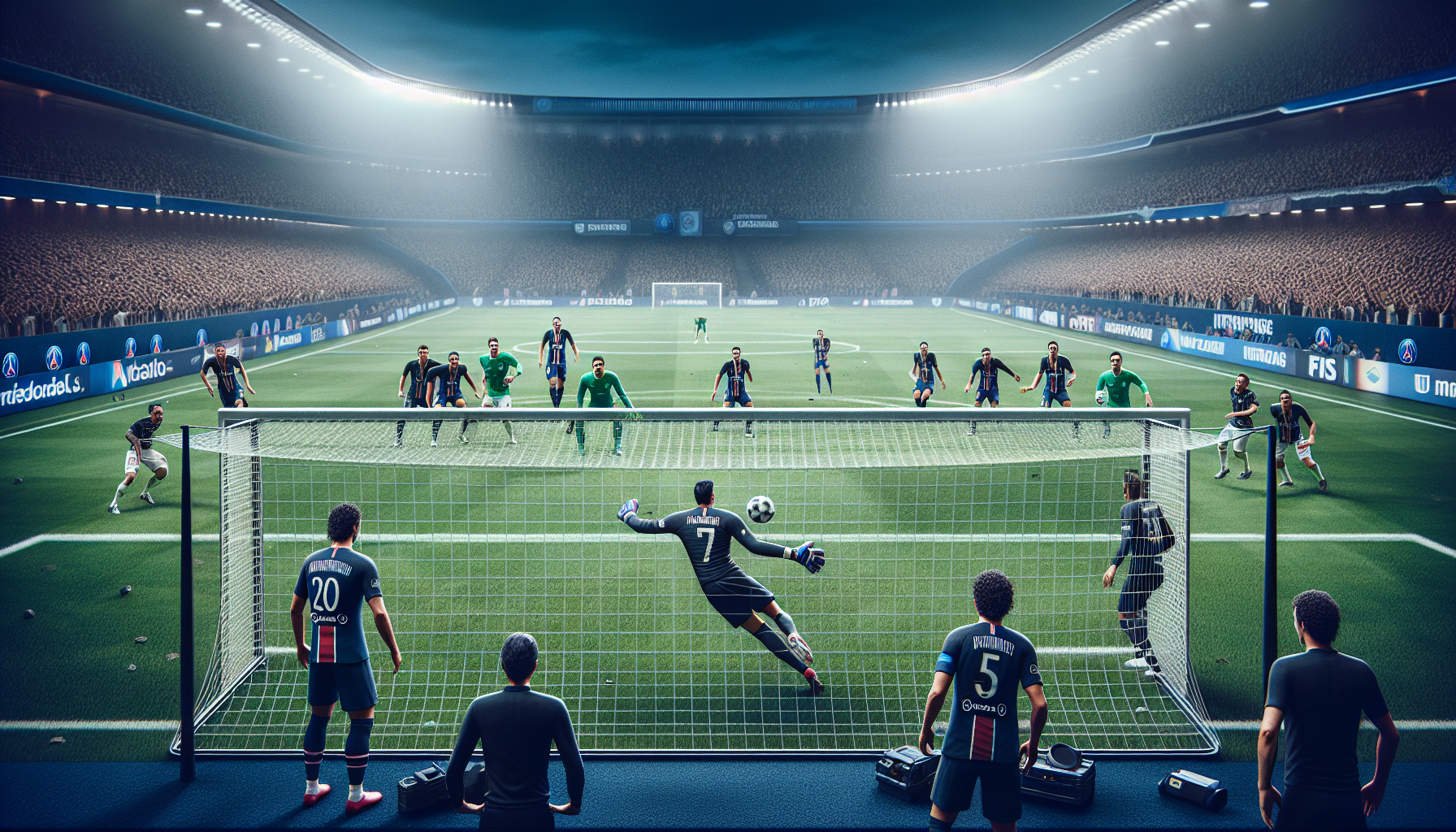
In a dramatic FIFA Intercontinental Cup final, Paris Saint-Germain edged Flamengo 1-1 after regulation, then won the trophy in a tense penalty shootout. The match lived up to its winner-takes-all billing, pitting two heavyweight clubs against each other in a contest that hinged on composure, nerve, and execution from the spot. For PSG, under Luis Enrique, the night offered a fresh chapter in a growing narrative about how to navigate knockout pressure with poise. Flamengo, too, showed resilience, probing Paris’ defense while enforcing a test of PSG’s discipline as the clock wound down. The outcome was decided by precision and staying calm when the pressure peaked, a hallmark of heighted finals football. Penalty shootout mastery was on full display as both teams traded blows from the penalty spot, a testament to preparation, focus, and the psychology of the moment.
Regulation finished 1-1, leaving a winner-takes-all scenario to unfold beyond the 90 minutes. The match trajectories suggested a footballing duel of contrasts: PSG’s methodical build-up and cautious risk, Flamengo’s sudden bursts of speed and relentless pressing. As the shootout loomed, the tactical acumen of the managers became as important as the skill of the players taking the kicks. This was more than a trophy match; it was a showcase of the nerves, the strategy, and the execution required to triumph in a high-stakes penalty drama. Outbound coverage and post-match analyses will likely emphasize how leadership, preparation, and composure shaped the final outcome. FIFA’s historical context helps frame why such finals carry particular weight for global clubs.
Regulation wrap and the emotional arc
The regulation period offered both teams moments to seize control. Flamengo created early pressure, testing PSG’s backline, while PSG balanced control with purposeful counter-movements that kept Flamengo vigilant. The time on the clock intensified the emotional arc: one moment of brilliance could tilt the balance, the next small error could define the result. In games like this, the mental edge is often the deciding factor, and the Intercontinental Cup final demonstrated that sentiment in real time. For the neutral observer and supporters, the match provided a narrative where calmness, confidence, and tactical discipline translated into a winning formula when it mattered most. The trophy’s travel, history, and significance amplify the drama around this fixture, and momentum from such encounters frequently ripples into the club’s domestic and continental campaigns. As PSG fans digest the outcome, attention will turn quickly to how this victory informs future performances and expectations.
Penalty shootout mastery
Preparation and psychology
Penalty shootout mastery began long before the first kick in the tunnel. PSG’s approach, shaped by Luis Enrique, emphasized routine, repetition, and psychological prep. The players studied Flamengo’s goalkeeper tendencies, the positioning patterns during run-ups, and the body language that often betrays a keeper’s next move. The careful preparation created a calm foundation when the moment arrived. In these moments, mental resilience often eclipses pure technique, and PSG demonstrated a blend of both. The coaching staff’s work in the training ground—simulating pressure, refining the kick routine, and drilling deceleration and acceleration cues—helped their kickers execute with clinical precision. The result underscored how a manager’s philosophy can translate into real-world advantage on the biggest stage. PSG’s penalty training notes underline this focus on sharpening penalty instincts.
Execution and nerve
When the shootout began, PSG showed composure that reflected months of deliberate practice. Each kick was taken with a clear plan, balancing power with placement. Flamengo, equally determined, answered with bold attempts and moments of heroics from their keeper. The contrast between the teams’ kick strategies added to the drama, but PSG’s execution stood out in the latter stages, as nerves steadied and the sequence of successful penalties gathered momentum. The save opportunities, the calls, and the subtle shifts in pace all contributed to a storyline that reinforced Luis Enrique’s reputation for penalty shootout mastery. The final sequence of kicks proved that a well-coached side can harness pressure and convert opportunities when it matters most. For fans, the memory of a cool, calculated approach will outlast the on-field sparks of the night.
Safonov’s standout performance
Key saves that kept Flamengo in it
Safonov’s performance between the posts was a significant subplot during the tense final. The Flamengo goalkeeper produced crucial saves that kept Flamengo within a shout as the shootout approached its decisive moments. Each reflex stop, each well-ordered positioning, forced PSG to either adjust their rhythm or risk a miscue. Safonov’s presence gave Flamengo a stabilizing force in a high-pressure environment, and his work helped maintain the belief that any misstep from PSG could be punished. In shootouts, such moments can transform momentum, and the keeper’s courage under pressure is often as valuable as a clinical finish from the field. Flamengo’s fans could cling to these saves as a reminder that they stayed in the race thanks to strong goalkeeping under heavy spotlight.
Impact on the shootout narrative
The goalkeeper’s performance not only affected the scoreline but influenced the psychological frame of mind for both sides. PSG, reading Safonov’s patterns, adjusted their approach, while Flamengo looked for a tilt that could swing the sequence back in their favor. The dynamic illustrates why a goalkeeper can be the decisive factor in a draw turned into a title decider—when the pressure peaks, a few extraordinary saves can redefine the storyline and raise the stakes for the next set of kicks. Safonov’s display will live long in the memory of Flamengo supporters as a reminder of what grit and reflexes can yield in the harsh environment of a one-shot shootout.
Luis Enrique’s leadership and penalty philosophy
Tactical patience and calm
Luis Enrique’s leadership shone through as PSG navigated the final under pressure. His philosophy centers on maintaining composure, trusting the process, and selecting players who can perform under stress. The final reinforced why he is increasingly viewed as a penalty shootout king. By keeping his team calm, he allowed his players to execute tasks with precision rather than react to the moment’s headlines. His in-game adjustments, the calls at critical moments, and the selection of takers for the shootout reflected a manager who understands how to balance risk and reward in knockout scenarios. That balance is what separates good teams from those empowered by the hardest tests. The night added another chapter to Enrique’s growing legend in high-stakes football.
Penalty philosophy and in-game management
Enrique’s penalty philosophy blends psychological preparation with a precise kick routine. He has cultivated a culture where players trust the process, stay focused, and maintain belief in the team’s approach regardless of earlier highs or lows. In this match, his management style helped PSG stay composed through the shootout, and his decisions—such as the order of takers and the moment to press—showed a deep understanding of Flamengo’s goalkeeper tendencies. This is not merely about technique; it is about how a manager choreographs a sequence under duress so that individuals can perform at their best when everything is on the line. The result strengthens the case that Enrique’s teams can win in finals where penalties are the ultimate test.
Impact and implications for PSG and Flamengo
Momentum for PSG heading into the next phase
The trophy adds a significant stripe to PSG’s cabinet and signals positive momentum for the club as it eyes domestic and continental challenges ahead. The win reinforces Paris’ growing reputation for performing in knockout environments, especially when penalties determine the destination of a trophy. The victory can energize the squad, bolster confidence in high-pressure situations, and influence transfer-market narratives as the club plans for a congested calendar of competitions. For supporters, the final’s drama is a reminder that the squad is developing a proven framework for success when the stakes rise, with Luis Enrique’s leadership at the core of that trajectory. This success could translate into stronger performances in Ligue 1 and European competition, as the team looks to build on a foundation of confident execution in key moments.
Implications for Flamengo’s roadmap
Flamengo exits the final with a sense of resilience despite the loss. The experience of competing at such a level can catalyze improvements in preparation, decision-making, and psychology for penalties in future seasons. The club demonstrated its capability to challenge top-tier opponents, even when the margin for error is razor-thin. The setback offers a learning opportunity for refining shootout preparation, keeper coordination, and kicker selection in potential rematches or knockout rounds. The broader message is that Flamengo remains a formidable force in South American and international football, capable of pushing for more top-tier hardware should they translate frames of brilliance into consistent, high-stakes performance across competitions.
Outbound references and further reading: FIFA Intercontinental Cup history, PSG official site, BBC Sport report.