
Subtotal $0.00


166
PSG’s latest setback
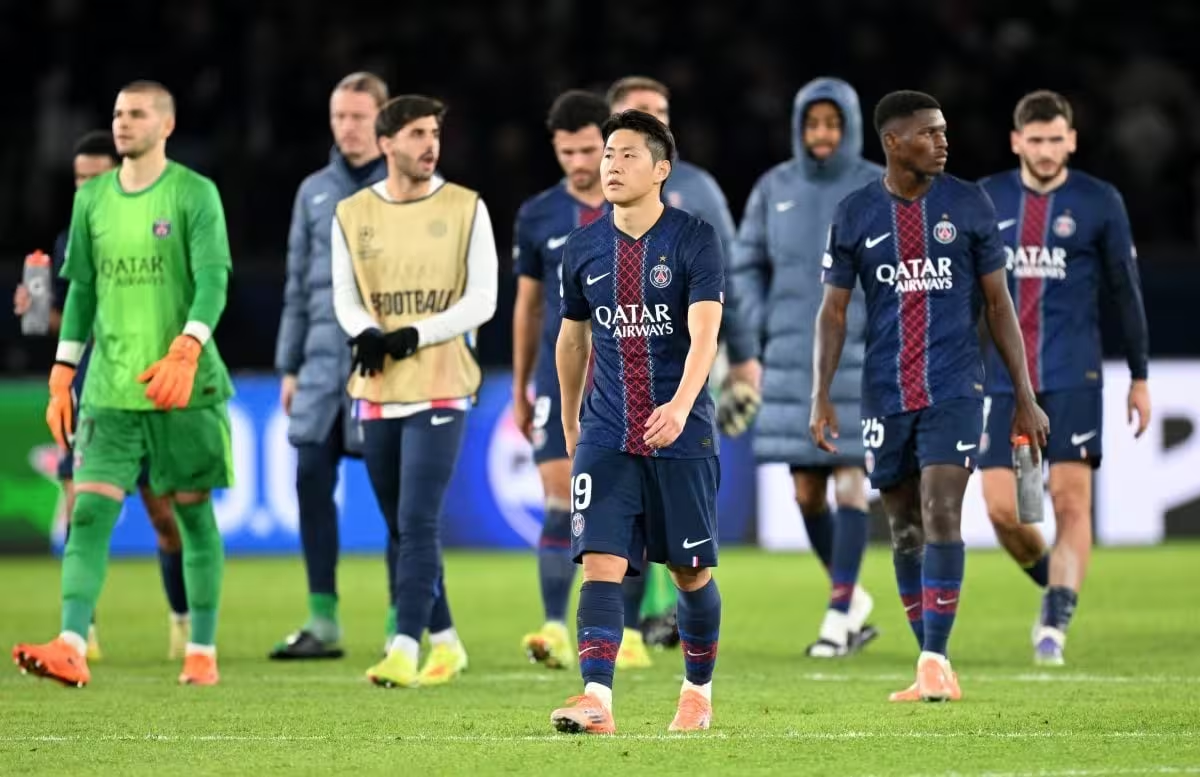
PSG running on empty is a troubling refrain for a club that spent summer headlines chasing continental glory. Their 2-1 defeat to Bayern Munich in the UEFA Champions League marked a second setback in the campaign and their first loss in Europe this season. It wasn’t a one-off stumble; it pointed to deeper issues around balance, tactics, and the edge needed to break compact blocks on Europe’s biggest stage. The result intensified questions about how PSG blends star power with discipline, work rate, and collective pressing. The game offered a reminder that big-name talent alone does not guarantee European success. Read the full match report and expert analysis from UEFA Champions League for context, and see how the defeat fits into PSG’s broader trajectory this season.
In the immediate aftermath, caution was urged by supporters and critics alike. The scoreline masked the broader concerns: defensive vulnerabilities, a midfield that rarely dictated tempo, and a forward line that struggled to support the press without the ball. Injuries and a congested schedule have further strained the squad, forcing rotations that disrupt rhythm. For a team built to win European silverware, this is a moment that demands clear strategic thinking from the coaching staff and a plan to re-balance the squad for future clashes. More on Bayern’s approach and PSG’s response can be found in BBC Sport features and match breakdowns.
Defeat to Bayern and its implications
The Bayern match exposed a vulnerability in wide areas and a susceptibility to quick transitions. PSG’s central midfield found it difficult to control tempo against a disciplined opponent who sat deep and compacted the spaces behind the ball. When opportunities did arise, the visitors often overran their finishing touch, highlighting a lingering issue: the balance between star-forward intensity and the necessary work rate across the pitch. The defeat has immediate consequences for European standings and long-term plans, forcing the club to weigh personnel and formation for knockout ties ahead.
Analysts have pointed to a lack of consistent pressing intensity and gaps in midfield balance as recurring problems this season. If PSG cannot tighten the spine of the team, even the most gifted attackers may struggle to convert chances at a high level. The coaching staff now faces decisions about whether to pursue tweaks in shape, personnel, or both, with an eye on stability in European blocks that prefer to absorb pressure and strike on the break. See a detailed tactical breakdown at BBC Sport for additional insights.
Defensive vulnerabilities and midfield balance
Defensive shape remains a concern. When PSG lose possession high up the pitch, the back line can be exposed by quick counter movements. Midfield control has also been inconsistent, leading to a mismatch between attacking intent and defensive cover. The staff must consider how to deploy players who can press with intensity while preserving shape. A more compact midfield unit could reduce turnovers in dangerous zones and improve activation of the ball carrier in the early phases of attack. The goal is to create a platform where creativity and hard work coexist, not compete for space. For more on how European teams tend to defend against possession-based sides, see UEFA fixtures & results.
Champions League form under scrutiny
As PSG navigates remaining group-stage fixtures, the emphasis on Champions League form is sharper than ever. The season’s early results have put the team under a lens that is rarely off when the competition is on the line. The phrase PSG running on empty has echoed through debates about how European nights should suit a squad loaded with global stars. The question is not just about results but about the method and consistency with which those results are achieved. A closer look at recent performances shows a need for better rhythm in European blocks, where patience and precision under high compactness decide ties against strong sides. For broader context, transfer and tactical discussions surrounding PSG are covered in depth at UEFA and PSG official updates.
European blocks and tactical balance
European teams often sit deep and look to absorb pressure before striking on the counter. PSG’s approach has been to push high and press aggressively, but a lack of balance has left gaps that compact defenses can exploit. The coaching staff must decide whether to adjust the pressing intensity, alter the midfield trio, or alter the front three’s movement to maintain compactness when out of possession. The ability to disrupt the tempo of European games and reclaim possession in dangerous zones is critical for turning opportunities into goals. For a broader tactical framework, see BBC Sport analyses.
Pressure on midfield control and pressing
A key issue remains the balance between pressing and staying compact. If the midfield cannot control the tempo, attacking players spend too much energy pressing in isolation. The result is a visible drop in pressing effectiveness as matches wear on. The squad will need a renewed plan to press with discipline and preserve defensive cover, especially against teams that punish high lines. This balance is central to Europe’s modern game and may dictate how PSG approaches upcoming fixtures in the group stage. Detailed studies on midfield control in Europe can be found at UEFA resources and expert opinion pieces from major outlets like BBC Sport.
Tactical concerns and star power
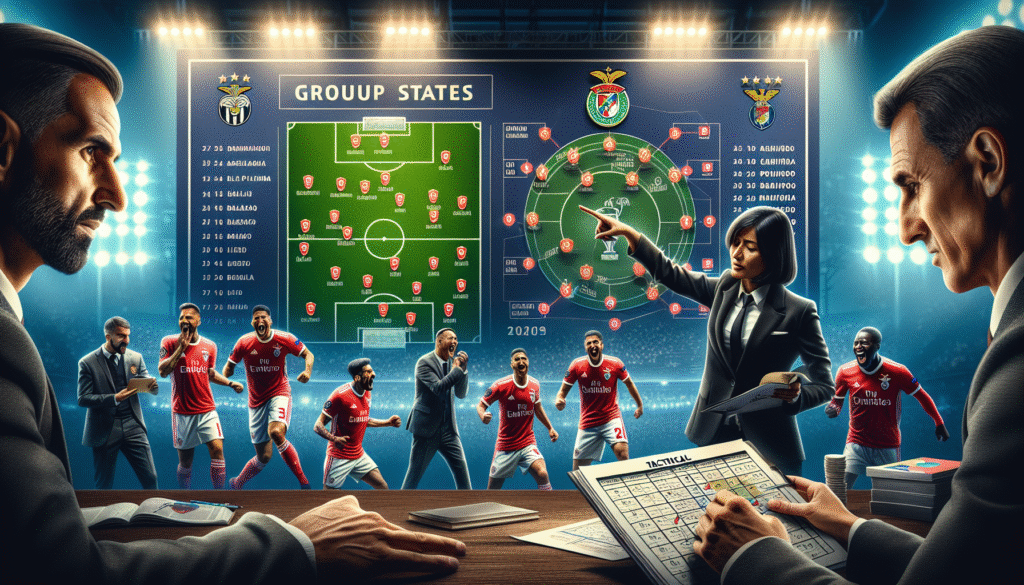
The tension between star power and a coherent tactical system is at the heart of PSG’s season. The club’s roster sparkles with global names, yet the identity of the team under pressure in Europe remains unsettled. The question is how to deploy talent so that individual brilliance feeds a collective mechanism rather than undermining it. PSG running on empty becomes a symptom when the system cannot sustain high-intensity pressing, quick transitions, and effective defensive cover over 90 minutes. This section explores how tactical choices influence results and what adjustments could unlock the squad’s potential in the sharpest games. See how coaches in similar situations have aligned star power with practical tactics in recent Champions League campaigns.
System fit for Europe with a star-laden squad
A challenge for any elite club is ensuring that a star-studded lineup works within a balanced system. If the midfield is overloaded with creators and the defense invites pressure, attacking talent can become isolated. The solution may lie in a more compact shape that rewards quick ball circulation and allows full-backs to contribute in attack without leaving the backline exposed. The manager could experiment with a slightly altered 4-3-3 or move to a 4-2-3-1 to give the midfield more structure behind the forward line. Insights from match analyses show how small variations can sharpen team performance in Europe. For more on system tweaks, explore match-by-match tactical notes at BBC Sport.
Defensive shape and wing-back choices
Defensive shape remains a pivotal concern. Wing-back roles demand both energy and positional discipline when teams press. If the right-back or left-back continually overlaps in high-risk zones, the shape can collapse at the back. Coaches must decide whether to favor a more conservative wing-back approach or to empower full-backs with stricter defensive duties. The right balance between wing-play, central stability, and midfield support often determines the outcome of European nights. Look for PSG to test different wing-back configurations in domestic games to prepare for knockout ties, as outlined in ongoing squad assessments at PSG official.
Future implications for coach and squad
The fixtures calendar, injuries, and the weight of expectation all feed into tough decisions for the coaching staff. As PSG contemplates its next moves, the focus shifts to leadership, formation, and reinforcement. The club can ill afford a long run of inconsistent results in Europe. The key question is whether the current regime can evolve quickly enough to deliver both immediate results and long-term cohesion. The phrase PSG running on empty has already entered fan debates, but the real test is whether the team can translate star power into a disciplined, repeatable process that works against Europe’s best. The answers will shape the club’s strategy in the January window and beyond. For official commentary, see PSG press conferences and expert round-ups from major outlets like BBC Sport.
Managerial decisions and leadership
Coach selection, tactical approach, and leadership on the pitch will define the club’s path forward. Will the manager adjust the pressing intensity, rotate central midfielders, or redeploy forwards to increase support for the ball carrier? The answers will emerge over the next few weeks as PSG plays through a demanding schedule. The objective is clear: cultivate a resilient framework that can deliver in Europe while maintaining domestic competitiveness. Supporters will watch closely as decisions are made and players adapt to new roles within the same ambition-driven project. For a broader perspective on leadership in European clubs, see BBC Sport analyses.
Structural changes and transfer considerations
If the current model proves insufficient, PSG may look to adjust its structure. That could mean different tactical profiles in midfield, additional depth in defense, or targeted reinforcements up front. The club’s approach to transfers will reflect this balance between immediate impact and long-term planning. In the modern game, even glamorous rosters require careful management of salary cap, compatibility, and adaptability. The coming weeks will reveal how aggressive or prudent PSG plans to be in the transfer market, and how such moves align with a broader European strategy. For ongoing transfer news, consult Transfermarkt and official club updates.