

Subtotal $0.00


156
AI-generated stadium concepts
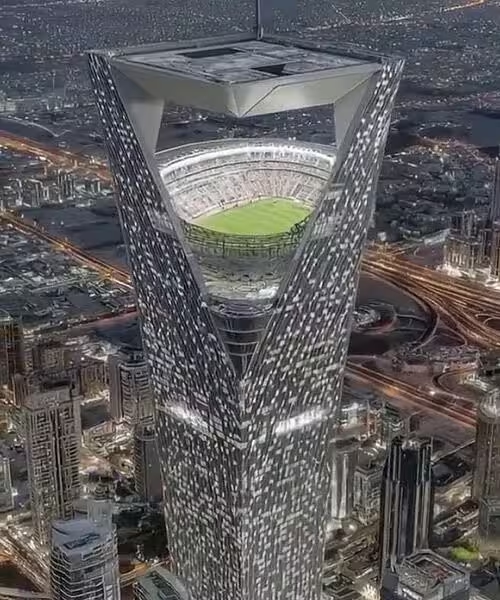
In the digital stream of football chatter, a clip surfaced that felt almost cinematic: a dazzling stadium perched among the clouds, with sweeping glass lines and a horizon that seemed to defy gravity. The video quickly circulated with captions suggesting it represented Saudi Arabia’s envisioned venue for the 2034 FIFA World Cup. That framing is dangerous. It feeds speculation and creates a perception of readiness or grandeur before any official confirmation. The result is an AI stadium hoax that travels at the speed of a share button and a headline, often outpacing the careful checks that fans deserve.
This section separates imagination from official planning. It underscores how AI-generated visuals can resemble credible proposals while lacking any traceable source or blueprint. The moment highlights the need for media literacy at a time when high-quality AI renderings can mimic legitimate planning visuals. When you see a striking render, verify with official channels rather than treat it as fact. For accurate venue details, consult the Saudi 2034 World Cup organizing committee and FIFA communications, and note how credible outlets frame such stories. FIFA coverage remains the standard for validation.
What the clip depicts vs what it isn’t
The clip is best understood as AI-generated artwork, not a sanctioned stadium proposal. An artist or a team of digital designers crafted the visuals to explore speculative urban and architectural ideas, not to publish a venue blueprint or secure sponsorship. There is no official publication from the Saudi 2034 organizing committee or FIFA endorsing this sky stadium concept. The production relies on advanced CGI and cinematic effects that can evoke realism—clouds, aerial perspectives, and stadium-scale lighting—yet these elements emulate fantasy rather than feasibility. This is precisely why the term AI stadium hoax matters: it acknowledges the line between creative exploration and official planning. For readers seeking accuracy, cross-check with primary sources and avoid conflating artist renderings with concrete plans.
Readers should also consider how quickly visuals circulate on social media. A single frame can become a headline, while context and sourcing lag behind. When in doubt, look for accompanying metadata, official statements, and corroborating reports from established football media. Verified information will cite official committees, published designs, or timeline commitments, not speculative art. To stay informed, rely on BBC Sport, FIFA, and the Saudi federation’s announcements. The AI stadium hoax is a timely reminder of how verification protects fans and the sport’s integrity.
Fact-checking: distinguishing fiction from official plans
As images and videos blur the lines between fiction and location-based reality, rigorous fact-checking becomes essential. Football fans deserve accurate narratives, especially around major events like the 2034 World Cup. The first step is to identify the provenance of the material. Who created it? Is there an accompanying press release or an official caption from a governing body? Without a traceable source, treat the content as speculative art rather than an official plan. This is a cornerstone in countering the AI stadium hoax and other misinformation that can distort expectations and sponsorship narratives. Authentic reporting requires time, verification, and multiple independent confirmations.
The second step is to check official channels. Key authorities—FIFA, the Saudi 2034 organizing committee, and recognized football media—publish venue specifics, project timelines, and venue inventories only after formal approvals. When a claim arises, journalists should quote these sources and avoid amplifying unverified visuals. Readers can help by looking for direct quotes, official diagrams, and venue listings in credible outlets. If a claim cannot be anchored to a verified source, it deserves skepticism and a clear caveat. For readers seeking primary information, consult FIFA News and the Saudi federation’s official communications.
In the fight against misinformation, transparency is key. Media literacy should be part of football coverage, with editors encouraging readers to question sensational visuals and seek confirmation. Fact-checking also benefits from collaboration with independent fact-checkers and architectural experts who can assess the feasibility of proposed designs. The AI stadium hoax demonstrates the risk of sensationalism if verification is skipped. Reputable outlets will correct the record with clear citations and timelines, reaffirming the narrative around legitimate event visuals. For fans, consuming information from authoritative sources helps preserve trust in the sport’s major events.
Saudi Arabia’s 2034 World Cup ambitions
Saudi Arabia has positioned itself as a global leader in football development and event hosting, aiming to showcase the country’s ambition through modern venues, technology-forward spectacle, and robust infrastructure. The broader strategy emphasizes world-class stadiums, integration with national plans for tourism and sport, and international collaboration. However, a striking AI-driven concept of a sky stadium does not constitute an official venue in any published plan. The distinction between aspirational art and sanctioned infrastructure is essential to avoid misinterpretation and to protect the timeline needed for real-world readiness. The AI stadium hoax needs to be viewed through this lens, separating visual storytelling from concrete project priorities and budgets.
Official communications from the organizing body and FIFA outline how venues are selected, phased, and funded. These communications typically include site locations, seating capacities, safety standards, and transport connectivity. Until such documents are released, fans should remain cautious about sensational renders that could misrepresent the scale or feasibility of a project. For context on ongoing developments and credible updates, refer to FIFA’s project updates and the Saudi federation’s announcements.
Official plans and public messaging
Public messaging around 2034 emphasizes sustainability, accessibility, and international broadcasting standards. It highlights how new technology will enhance the fan experience without compromising safety or security. Official plans typically feature documented timelines, architectural guidelines, and venue inventories. The presence of an AI-created sky stadium in social media feeds should not be conflated with these official plans. If the organizers publish a blueprint or venue list, it will be issued through formal channels and widely reported by established football media. Until then, the AI stadium hoax remains a reminder of the importance of verifying claims against official communications.
Fans, sponsors, and stakeholders should monitor credible sources and avoid placing undue weight on speculative renders. A disciplined approach to information helps preserve the integrity of the event’s branding and the nation’s hosting objectives. For ongoing updates, consult FIFA and credible outlets that consistently source from the organizing committee.
Impact of misinformation on football fans
Disinformation about major events can shape perceptions in real time. A viral AI-generated sky stadium can frame expectations about scale, cost, and spectacle. When fans encounter such visuals, they may assume that a particular design is already finalized or closer to realization than it truly is. This has downstream effects on sponsorship discussions, ticketing confidence, and even national pride. The AI stadium hoax illustrates how quickly misinformation can influence sentiment, especially when it mixes credible aesthetics with plausible narratives. Responsible reporting and media literacy are essential to counteract these effects and maintain trust among fans and sponsors alike.
Fan trust and sponsorships
Trust is a currency in football. Sponsors seek stable, credible narratives that align with official plans and transparent timelines. When misinformation surfaces, sponsors may hesitate to commit or to align with a project that appears uncertain. Fans might grow skeptical if repeat appearances of unverified visuals precede official confirmations. The antidote is clear communication from organizers, consistent updates from FIFA, and responsible journalism that distinguishes art from plan. The AI stadium hoax becomes a case study in how misinfo can ripple through sponsorship and fan engagement, underscoring the need for verification and measured storytelling in sports media.
To help readers navigate misinformation, outlets should publish fact-check timelines and clearly labeled content. Readers can also promote media literacy by discussing how AI renders influence perception and by sharing official sources. For further credibility, outlets should link to primary announcements and avoid sensational amplification of unverified visuals. The result is a more informed fan base, better sponsorship confidence, and a sport that remains anchored to verified plans and transparent progress.
Technology and the future of football event visuals
Technology is transforming how fans experience football before, during, and after matches. AI, AR, and high-fidelity CGI enable immersive previews, interactive stadium tours, and broadcast enhancements that heighten engagement. Yet this power comes with responsibility. The AI stadium hoax demonstrates the double-edged nature of visual tools: they can help sell imagination, but they can also mislead if not properly contextualized. As the industry leans into more sophisticated event visuals, governance and ethics must keep pace to ensure that viewers can distinguish between speculative art and sanctioned infrastructure.
AR/AI in stadium design and broadcast
Advances in AR and AI open doors to speculative design reviews, real-time data overlays, and interactive fan experiences. They also raise questions about verification, source transparency, and the risk of misinterpretation. Responsible use means labeling AI-generated content clearly, providing creator credits, and linking to official sources when visuals are presented as part of a planning narrative. For fans, this means more informed engagement and fewer misinterpretations of what is officially planned versus what exists only as art. When readers encounter AI-driven visuals, they should look for authoritative context, including official briefs and corroborating reporting from credible outlets.
In the end, the trajectory of football visuals will hinge on a balance between creativity and accountability. The AI stadium hoax acts as a catalyst for better verification practices, improved media literacy, and stronger collaboration between broadcasters, organizers, and journalists. By embracing technology while upholding standards, the football world can leverage innovations to enhance fan experience without compromising credibility.