
Subtotal $0.00


95
Lammens Welcomes United Fans’ Schmeichel Comparisons
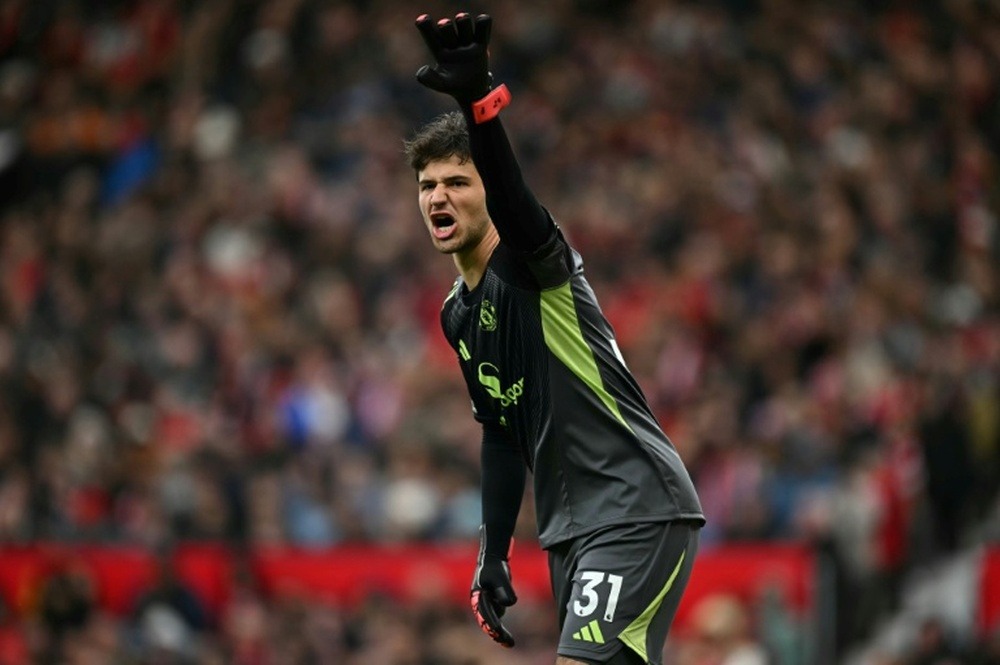
Senne Lammens has publicly acknowledged that he values the chants from Manchester United supporters that liken him to Peter Schmeichel. The Danish great, who joined United in 1991, became a cornerstone of the club’s success through the late 1990s and helped define what a United keeper should be. In recent interviews, Lammens welcomed the comparisons, saying the chants reflect trust from the club’s loyal fans. The phrasing, often discussed on social media and terraces, has turned a playful nod into a badge of expectation. For a club with a storied custodial tradition, embracing such chants can elevate a young keeper’s profile and place him on a path toward becoming the next symbol of United’s goalkeeping lore.
Public acknowledgment and what it signals
The public embrace of the comparison signals a larger narrative about how fans connect with a goalkeeper’s identity. When supporters chant Lammens Schmeichel chants, they are not merely rewarding reflex saves; they are inviting a player to join a lineage known for leadership, composure, and a fearless touch in big moments. This moment matters because it integrates Lammens into a historical framework that fans remember and prepare to defend. It also signals to teammates and management that the crowd is invested in his development and potential ascent to the club’s elite level.
Fan culture and the weight of comparisons
Chants are powerful tools in football culture. United fans have long used song and spoken tradition to build a sense of belonging, both at Old Trafford and around the world. The Lammens Schmeichel chants ride on this cultural gravity, linking a contemporary keeper to a United icon who defined an era. Some supporters view the comparison as motivation, a reminder that greatness is the standard. Others worry about the pressure that follows a storied association. Coaches, media, and players metabolize this dynamic, balancing respect for history with the reality of a player’s unique journey. The result is a fragile but influential narrative that can shape confidence, decision-making, and performance on match days.
Outbound references: Manchester United official site provides context on keeper traditions, while broader fan culture discussions can be explored at The Guardian and UEFA.
Peter Schmeichel: Manchester United Icon
Peter Schmeichel’s name remains synonymous with Manchester United’s glory years. His blend of athleticism, anticipation, and vocal leadership helped mould United’s defensive identity during a demanding era. The keeper’s influence stretched beyond saves; he set the tone for how a goalkeeper could act as an organizer, communicator, and driver of team confidence. Even after stepping away from United, Schmeichel’s legend persists in the club’s memory and in the expectations fans hold for every successor who wears the gloves. The enduring reverence among United supporters explains why a contemporary keeper can find motivation in comparisons that anchor him to a rare standard of excellence.
Legacy beyond goalkeeping
Schmeichel’s impact transcends his saves. He became a symbol of resilience, a figure who could lift a team in the most testing moments. His presence in interviews, documentaries, and fan recollections reinforces a sense that a goalkeeper’s role is as much about authority as it is about agility. For Lammens and his peers, that legacy offers a blueprint: study the micro-details of presence, command, and communication that turned saving prowess into leadership on the pitch. The Schmeichel era wired United’s supporters to demand consistency, courage, and a fearless approach to the most daunting fixtures.
How the memory endures in United’s global audience
Across stadiums, screens, and social feeds, Schmeichel’s aura remains a touchstone for United’s global fanbase. The keeper’s aura continues to appear in highlight reels, club history materials, and fan-made tributes. In a world where new stars emerge weekly, the memory of Schmeichel helps anchor a modern keeper’s identity to a trusted standard. The Lammens Schmeichel chants, when heard by international fans, reinforce the sense that United’s goalkeeping lineage is not a closed chapter but an ongoing narrative inviting the next generation to contribute to a living legacy.
Outbound references: Man United official site offers archival features and keeper spotlights, while BBC Sport often revisits United’s goalkeeping heritage in retrospectives.
Schmeichel’s United Era and 2002 City Move
Peter Schmeichel’s time at Manchester United in the 1990s established him as a cornerstone of the club’s identity. His saves, reflexes, and leadership helped United win major trophies and endure the pressures of title races and European nights. The era forged a standard for what fans expected from a goalkeeper: a commanding presence, a calm voice in the box, and a relentless refusal to yield in crunch moments. Schmeichel’s departure in 1999 left a gap that still fuels comparisons with successors. When fans reference Lammens Schmeichel chants, they often invoke a memory of what a United keeper should represent—guardianship, courage, and a willingness to stand tall when the stakes are highest.
A goalkeeper’s journey through United’s golden era
The late 1990s produced a generation of nights when United’s defense and a masked hero behind it felt unbeatable. Schmeichel was central to those nights, and his influence set a benchmark for all keepers who followed. For a current player like Lammens, the lesson is that modern challenges require more than shot-stopping; they require a consistent display of composure, communication, and leadership. The Lammens Schmeichel chants, by linking a new talent to a storied past, can inspire a player to chase the kind of legendary standard Schmeichel helped establish during United’s peak years.
The 2002 move to Manchester City and its reverberations
Schmeichel’s move to Manchester City in 2002 was a turning point in how fans perceived a club legend’s post-United career. The transfer underscored rivalries and the evolving dynamics in English football. Yet the memory of his United years remained vivid, shaping how fans discuss heritage and transition. For Lammens, this illustrates a broader reality: a player can carry the weight of history while writing their own chapter. The ongoing discussion around Lammens Schmeichel chants keeps Schmeichel’s name in the conversation and ensures the legend remains relevant to new fans discovering United’s story.
Outbound references: Man United official site and The Guardian football coverage provide historical context on United’s keeper traditions and the broader rivalries that frame such moves.
Chants and Their Impact on Players
Chants are no mere background noise; they function as real-time feedback and long-term storytelling for players in pressure-rich clubs. When United fans sing or shout about a keeper’s future and echo comparisons to Schmeichel, they’re shaping a player’s self-perception and decision-making under pressure. For a keeper like Lammens, the chants can spark confidence, sharpen focus, and motivate additional study of technique and leadership habits. Conversely, if performances dip, chants can amplify scrutiny, intensify nerves, and alter a player’s rhythm. The balance between encouragement and expectation is delicate, but the effect on a keeper’s trajectory is undeniable.
The psychology of chants in high-pressure clubs
Chants travel beyond the stadium and into social media clips, creating a feedback loop that magnifies emotion. A chant that lauds a keeper’s reliability can reinforce calmness under pressure, while a chant that hints at failure can create a cautionary mindset. In this environment, coaches must guide players through the noise, teaching them to separate genuine performance signals from loud narratives. When fans voice respect through chants like Lammens Schmeichel chants, they contribute to a shared language that helps a keeper understand what success looks like at the club.
Case studies and fan-driven narratives
Looking at other clubs, similar chants have propelled players into the spotlight or pushed them to prove themselves repeatedly. These narratives show that fan culture can define a keeper’s early reputation and continue to influence perceptions long after a performance is over. For readers curious about the broader phenomenon, this overview of football chants and their impact on player psychology offers useful context. It demonstrates how a single chant can become a recurring motif in a player’s career and a club’s identity.
Outbound references: The Guardian football and BBC Sport frequently discuss chants and their impact on players’ mindset and performance.
What Lammens’ Reaction Means for His Standing
The reaction to Lammens embracing the Schmeichel comparison has drawn attention from fans, media, and teammates. Some commentators view the openness as a savvy move that aligns with United’s tradition of welcoming ambitious talent. Others warn that the burden of expectation could grow quickly if results don’t consistently meet the heightened standard. The club’s communications teams will likely emphasize a measured message, praising development while managing the pressure that comes with a storied heritage. Teammates may respond with support, unlocking a path where confidence translates into better leadership on the pitch.
Media, teammates, and club perspectives
In the media landscape, the Lammens Schmeichel chants have become a talking point about how United nurtures young keepers. Some pundits praise the open acknowledgment as a sign of maturity and fan connection. Others worry it could intensify scrutiny and destabilize a player’s balance. The club’s internal coaches are likely to monitor performance closely, using history as a guide to shape development plans. Teammates, meanwhile, may rally around a keeper who embraces a proud lineage, signaling unity and shared ambition in the squad.
Short-term trajectory and long-term legacy
Short term, Lammens could see increased attention during match weeks, translating into added media requests and more intense fan interest. Long term, his career will hinge on consistency, composure, and willingness to grow beyond the comparison. If he maintains form while continuing to honor the club’s custodial tradition, the Lammens Schmeichel chants could transition from a novelty to a sustained source of identity and pride for United. The ultimate measure remains simple: can he help United prevail in big games and across seasons, while adding his own chapter to United’s goalkeeping legend?
Outbound references: Manchester United official site and The Guardian offer ongoing coverage of United’s players and public reactions to keeper performances.