

Subtotal $0.00


111
Introduction
Context and scope
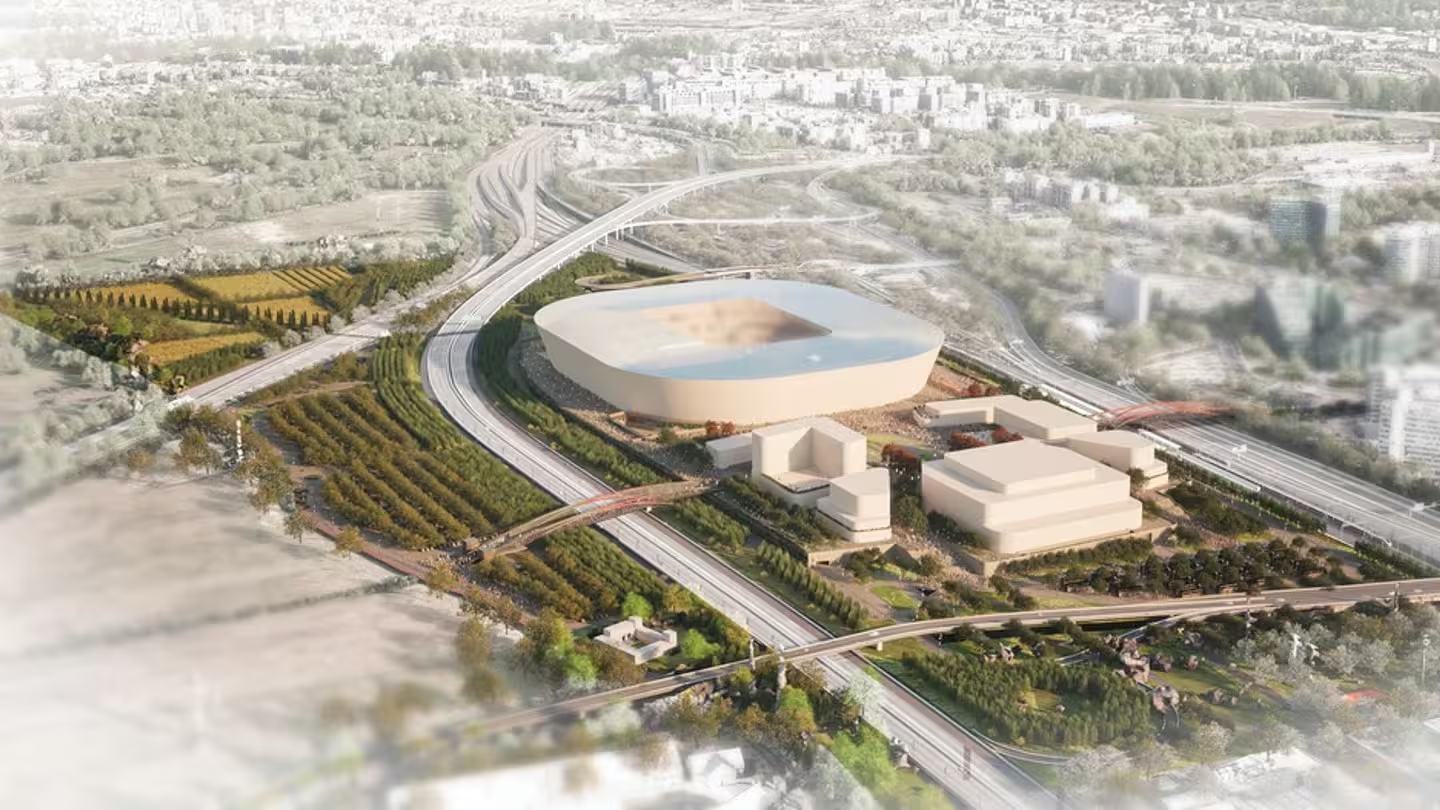
San Siro redevelopment plans are moving forward after city council approval cleared the path for a joint land purchase by AC Milan and Inter Milan. The deal, valued at approximately €197 million, enables the clubs to pursue a new stadium project with a target readiness for the 2030-31 season. This collaboration between Milan’s fiercest rivals marks a historic shift toward joint infrastructure-led growth, prioritizing sustainability, fan experience, and long-term urban impact. AC Milan and Inter have long balanced rivalry with a shared ambition for a premier venue that could redefine matchday economics and city development. For readers seeking context, the San Siro site carries decades of history and symbolism for Milanese football, making every decision politically sensitive and highly scrutinized.
These San Siro redevelopment plans are not just about a stadium; they are about how Milan will adapt its urban fabric to a modern sports ecosystem. As public officials, club executives, and fans watch closely, the project aims to deliver a world-class experience while preserving the heritage of a landmark that has hosted generations of football memories. This article outlines what happened, how the purchase fits into a broader redevelopment strategy, and what comes next.
- Outbound link to BBC Sport for background on major stadium projects.
- Official club pages: AC Milan, Inter.
What happened
Council approval and joint purchase
The central development is the Milan city council’s approval that clears the path for a joint purchase of the San Siro land by AC Milan and Inter Milan. This consent effectively unlocks the capital framework needed to pursue a new stadium project, signaling a serious, long-term commitment to a modern venue. The approval underscores a rare moment of alignment between two historic rivals as they move toward a shared future. The goal remains ambitious: ready the stadium for the 2030-31 season and turn a symbolic site into a contemporary, globally competitive football campus. For more context on how local authorities partner with clubs, see city planning discussions at Comune di Milano.
As part of San Siro redevelopment plans, officials emphasize that the process will involve detailed planning, architectural design work, and multiple regulatory approvals. The milestone signals progress, but it is just the opening chapter of a longer journey that includes financing arrangements and potential private partnerships to bring the project to life. Reports and official statements highlight that the purchase is a foundational step rather than the finished blueprint, with the real work ahead in design, feasibility, and delivery.
The purchase details
Financial terms and partnership model
The joint purchase of the San Siro land is valued at about €197 million. This figure represents a bold entrance into a long-term stadium strategy that prioritizes innovative architecture, sustainability, and a fan-first experience. The exact structure of the deal remains under discussion, but it is clear that the clubs intend to pursue a mix of equity, public funds, and private partnerships to finance construction, with the city authorities playing a key regulatory and catalyst role. The headline figure signals a serious commitment and provides a clear starting point for negotiating lenders and investors who will share in the project’s long-term upside.
From a financial perspective, the San Siro redevelopment plans hinge on more than the purchase price. Analysts anticipate cost overlays for design, construction, transport links, and community programs. The plan will likely explore phased funding, ticketing innovations, naming rights possibilities, and sponsorship streams to sustain operating margins post-launch. The collaboration is built on a shared belief that a modern stadium can generate durable revenue streams and stimulate broader urban development in Milan.
The clubs involved
AC Milan and Inter’s collaboration
AC Milan and Inter Milan have historically defined the Milan derby as one of football’s fiercest rivalries. Yet with San Siro redevelopment plans, the two clubs are charting a pragmatic, joint future that centers on infrastructure, sustainability, and enhanced fan experience. Governance for the project will likely involve a shared steering structure, aligning club objectives with city planning requirements. This unprecedented cooperation demonstrates that the clubs can put competitive history aside to pursue a step-change in facilities, opening the door to new revenue models and improved matchday economies.
The partnership extends beyond a single building project. It signals a broader willingness to coordinate on transport, environmental standards, and community programs that accompany a major stadium development. Such alignment could also set a precedent for other European clubs facing similar modernization challenges, reinforcing Milan’s status as a global football hub. For readers tracking official updates, the clubs’ communications emphasize continuity with their heritage while embracing a future-oriented, sustainability-focused, and fan-centric vision.
Timeline and milestones
Key dates toward 2030-31
The plan targets a stadium ready for the 2030-31 season. While the council approval clears the path for land acquisition, the timeline now shifts to the design, regulatory approvals, and financing phases. Initial milestones include selecting architectural partners, completing feasibility studies, and securing public- and private-sector financing agreements. The timeline will hinge on environmental impact assessments, transport planning, and community compensation measures. Progress toward completion will require close coordination among city authorities, the clubs, and any prospective backers. The ambition remains to deliver a flagship venue that stands as a model for modern football infrastructure.
As the project progresses, updates will focus on planning milestones, design iterations, and public consultations. The 2030-31 target is ambitious but increasingly plausible given recent precedent in European stadium redevelopments. Stakeholders expect transparent communication and visible milestones to maintain momentum and public support. The focus on Dream-to-Delivery timelines will also shape how the San Siro redevelopment plans are perceived by fans and the wider city population.
Financial implications
Economic impact and matchday economics
Beyond the headline €197 million land purchase, the San Siro redevelopment plans carry substantial financial implications. Analysts anticipate significant investment in construction, technology, and sustainability features such as energy-efficient systems and smart mobility solutions. The new stadium is expected to boost matchday revenue through improved facilities, increased seating capacity, and enhanced hospitality experiences. Tourism and related sectors could benefit from enhanced capacity to host events, conferences, and international fixtures, contributing to Milan’s broader economic growth.
High on the financial agenda are risk management and long-term profitability. The project will explore diverse revenue streams, including naming rights, sponsorships, premium seating, and non-matchday uses that maximize utilization. However, financing arrangements will require careful balancing of debt, equity, and risk-sharing with private partners and public authorities. The aim is to deliver a sustainable model that supports both clubs’ competitive ambitions and the city’s development goals without compromising fiscal stability.
Impact on Milan and the wider community
Urban planning, transport, and tourism
Redesigning the San Siro site is as much about urban transformation as it is about a football stadium. The project is expected to align with Milan’s transport strategies, potentially improving access via public transit, cycling infrastructure, and pedestrian-friendly corridors. Community benefits are likely to include enhanced public spaces, housing or commercial opportunities nearby, and programs that engage local residents. The redevelopment could become a catalyst for related urban development plans and long-term economic activity around the stadium precinct.
From a cultural perspective, the San Siro redevelopment plans will be closely watched by fans, residents, and international visitors. The landmark site is a symbol of Milanese football identity, and preserving its spirit while delivering a state-of-the-art facility will require careful heritage management, inclusive community consultation, and ongoing transparency from the clubs and authorities. If well executed, the project could strengthen Milan’s standing as a global sports city and attract sustained tourism, business, and investment for years to come.
Next steps for planning and development
Design, approvals, and partnerships
The immediate next steps involve selecting a design team, conducting comprehensive feasibility studies, and navigating regulatory approvals. Stakeholders expect an iterative design process that balances capacity, accessibility, and sustainability with the emotional resonance of the San Siro site. Parallel to design, the clubs will pursue financing arrangements, seeking private investors and working with municipal authorities to align public incentives with private capital. Public consultation and environmental assessments will shape the final plans, ensuring the project remains acceptable to residents and compliant with city regulations.
As the planning phase unfolds, the focus will be on delivering a coherent master plan that integrates a modern stadium with transit improvements, local amenities, and environmental commitments. The San Siro redevelopment plans demand disciplined project governance, careful risk management, and proactive stakeholder engagement to maintain momentum toward a 2030-31 readiness date.
About the San Siro site and historical context
Heritage and symbolism of the site
The San Siro site is embedded in Milan’s football folklore. Known for hosting countless iconic matches and memorable moments, the stadium represents far more than a venue—it is a shared cultural memory for generations of fans. Redeveloping this site requires balancing reverence for its history with the ambition to create a modern, world-class stadium that can host elite football, concerts, and civic events. The ongoing San Siro redevelopment plans are thus as much about preserving heritage as they are about embracing innovation.
In this context, the joint buy-and-build strategy reflects a mature approach to infrastructure that recognizes the site’s symbolic power while seeking to maximize its utility for fans and the city. The project’s success will hinge on transparent governance, inclusive planning, and a sustained commitment to delivering a stadium that serves Milan’s residents, visitors, and football communities for decades to come.
For ongoing updates, readers can follow official club communications and local government releases. The broader football community will be watching how this collaboration between AC Milan and Inter translates into a new era for the San Siro site and for Italian football at large.